- Archaeology
The "sacrificial complex" contained hundreds of bits of horse bridles and bronze beads, revealing a new aspect of ancient nomadic peoples' funeral rituals.
0 Comments Join the conversationWhen you purchase through links on our site, we may earn an affiliate commission. Here’s how it works.
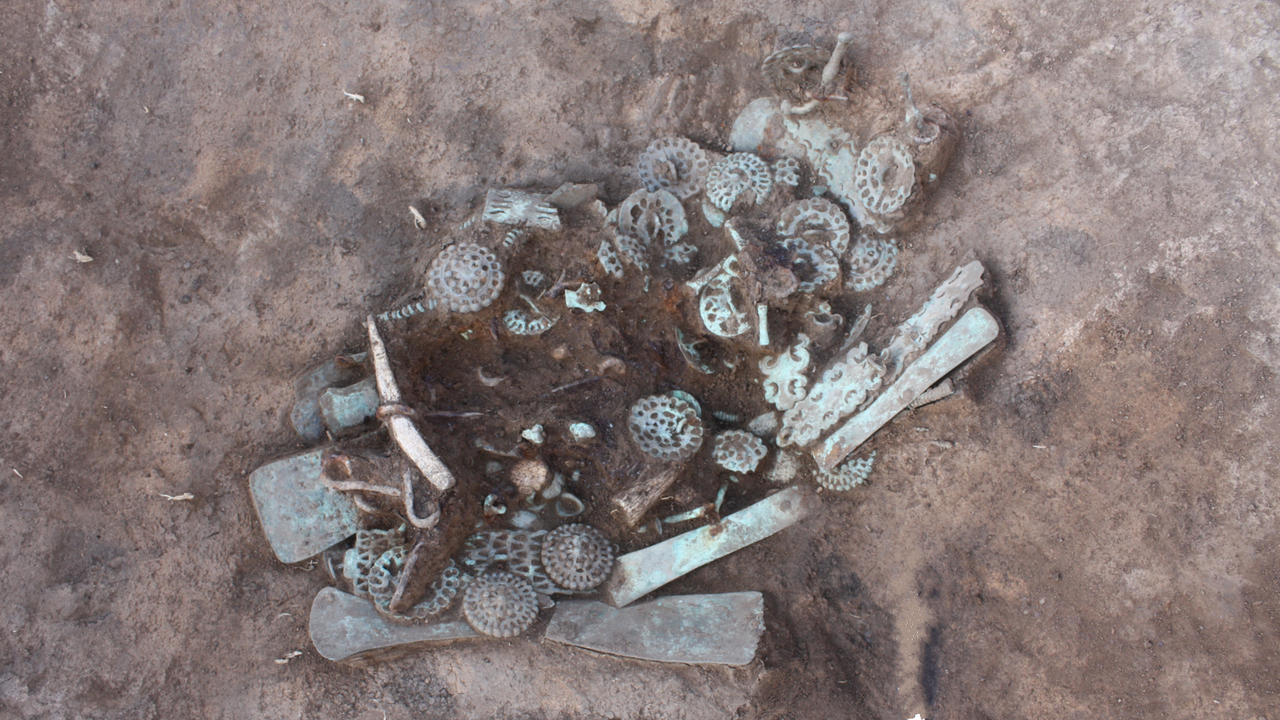
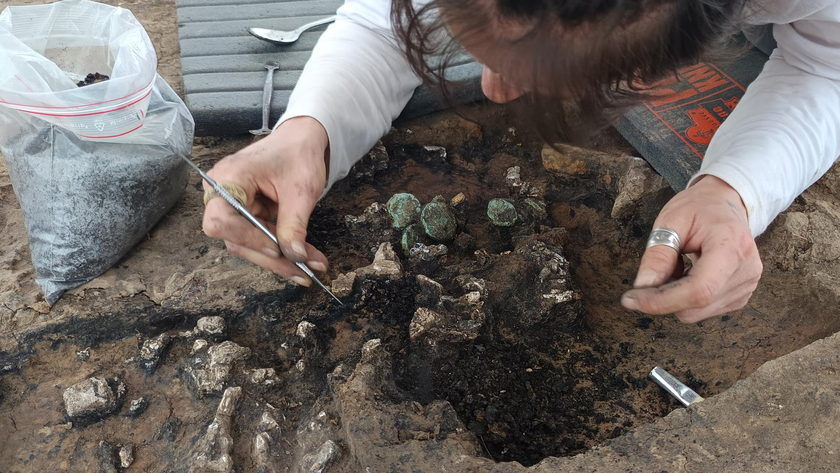
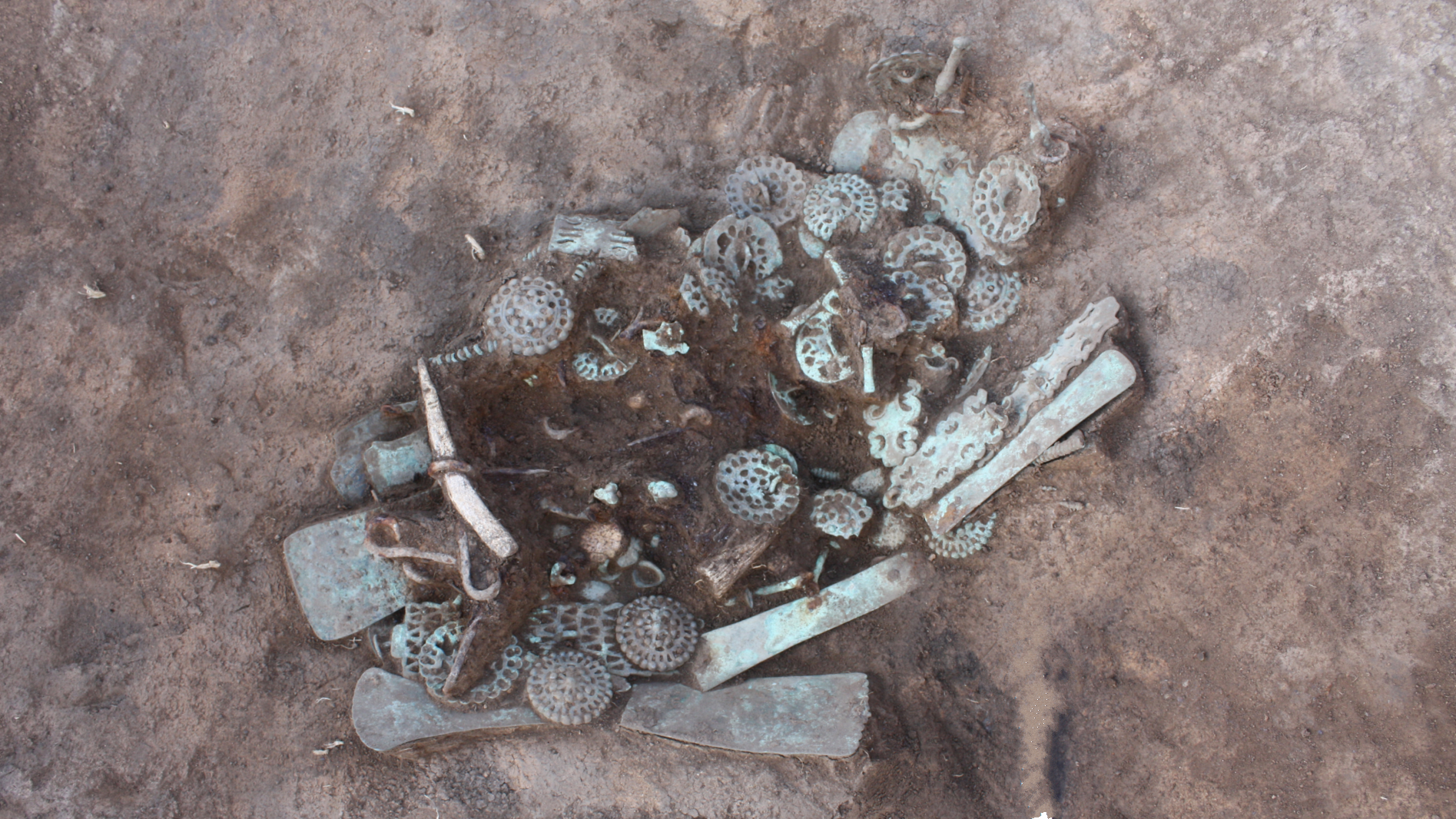 The "sacrificial complex" during excavation.
(Image credit: Institute of Archaeology of the Russian Academy of Sciences)
The "sacrificial complex" during excavation.
(Image credit: Institute of Archaeology of the Russian Academy of Sciences)
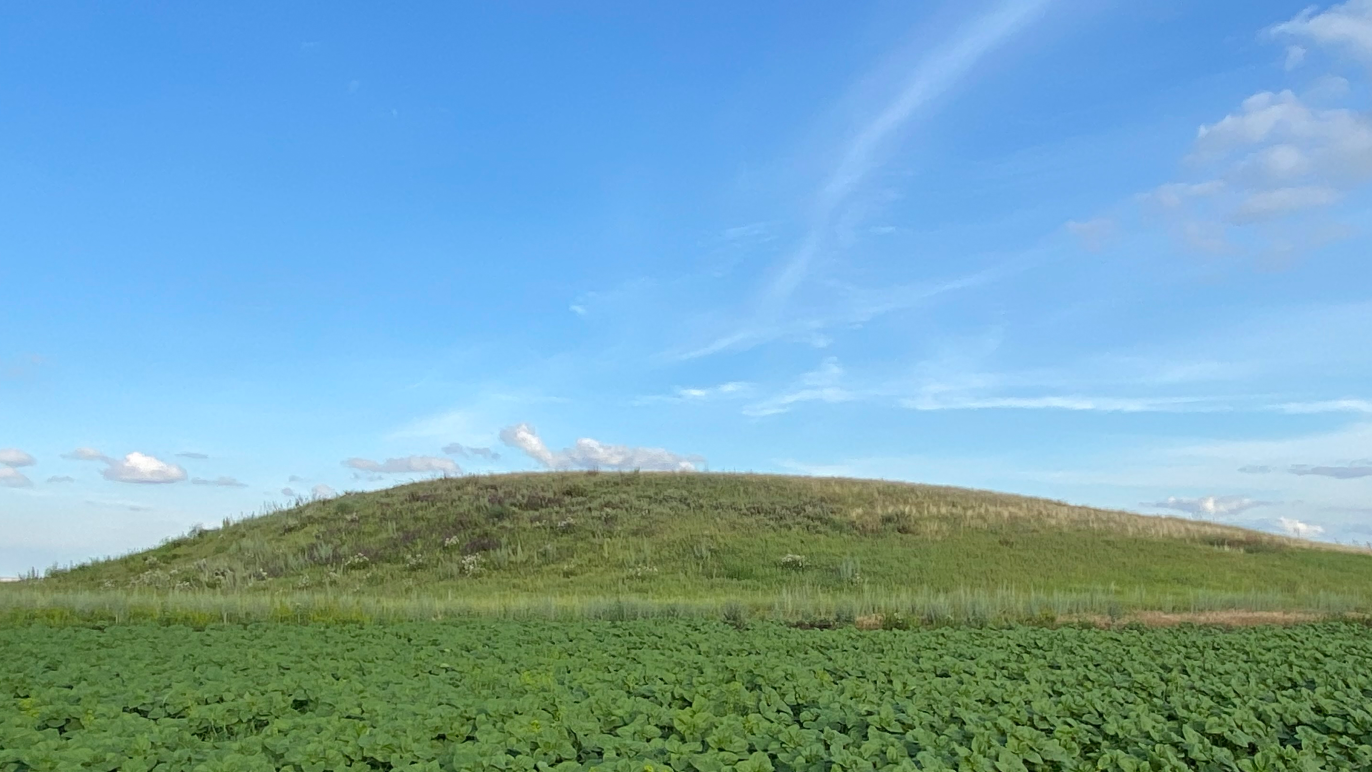
A unique "sacrificial complex" discovered between two burial mounds in Russia has revealed new information about the funerary rituals of nomadic people in the south Ural Mountains nearly 2,400 years ago.
This past summer, researchers from the Institute of Archaeology of the Russia Academic of Sciences excavated the space between burial mounds at the archaeological site of Vysokaya Mogila, a necropolis with a series of high-status burial mounds scattered across 3.7 miles (6 kilometers). The necropolis was in use between the fourth and third centuries B.C., and a number of artifacts have been discovered both in the burial mounds and outside them.
You may like-
 'We do not know of a similar case': 4,000-year-old burial in little-known African kingdom mystifies archaeologists
-
 2,000-year-old Celtic teenager may have been sacrificed and considered 'disposable'
-
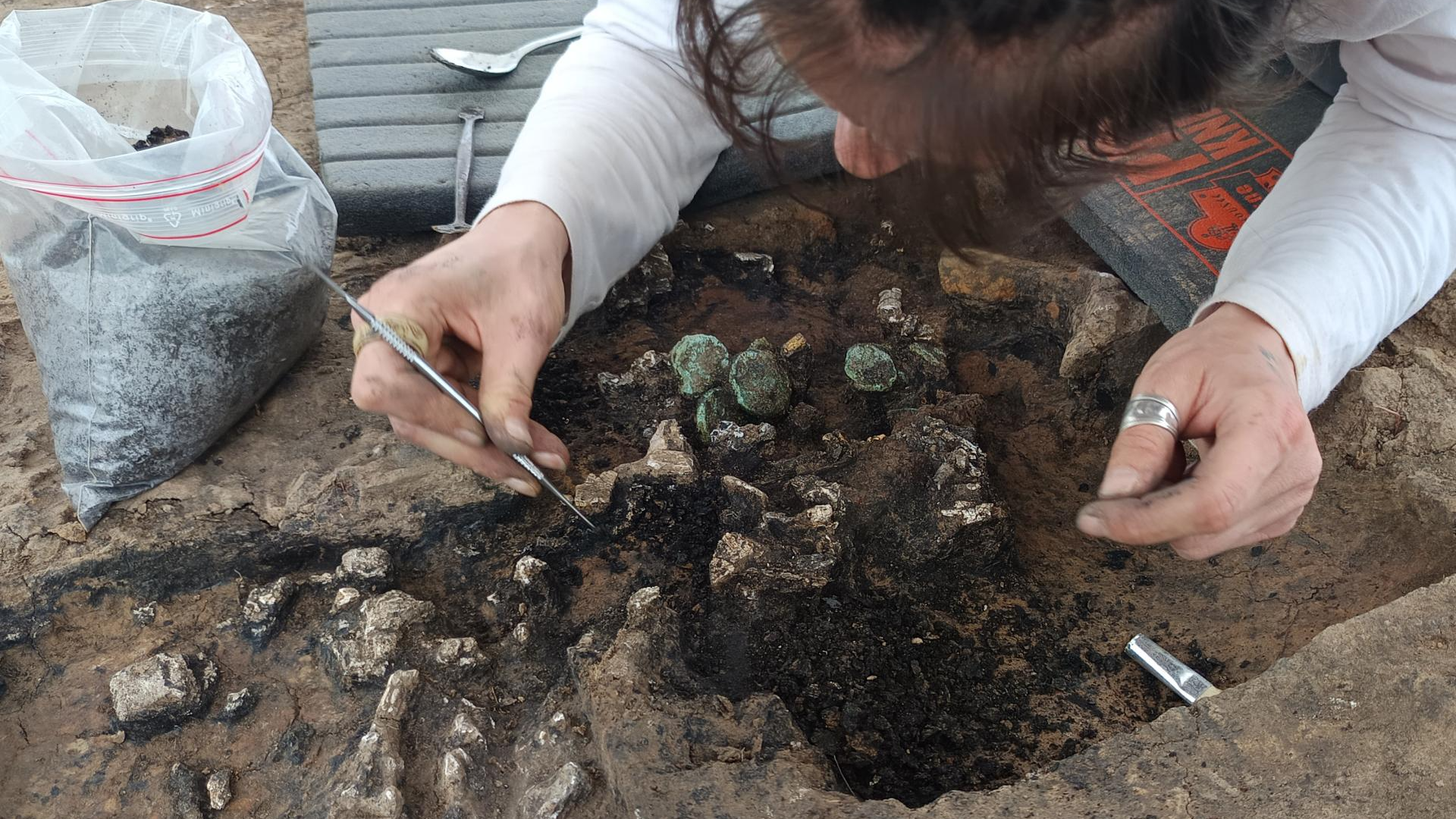
 2,000-year-old gold ring holds clue about lavish cremation burial unearthed in France
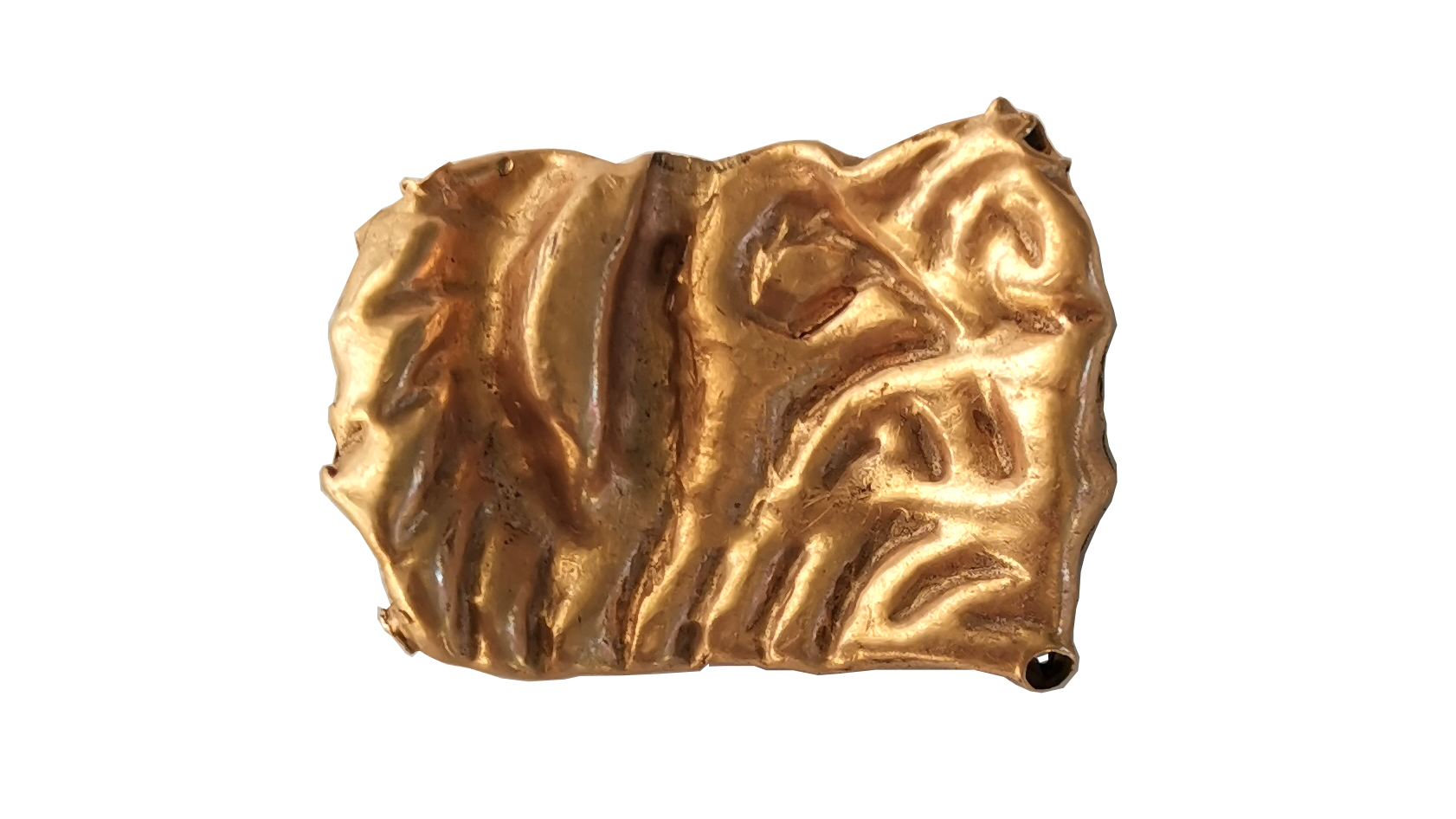
In one cache, located to the southeast of the mound, excavators found a gold applique plaque depicting the head and forepaw of a tiger. To the west of the mound, they found a cache containing fragments of both a bronze ladle and a cauldron.
But most of the recovered artifacts were part of a "rich sacrificial complex" that had been hidden in a shallow, round pit to the west of one of the burial mounds.
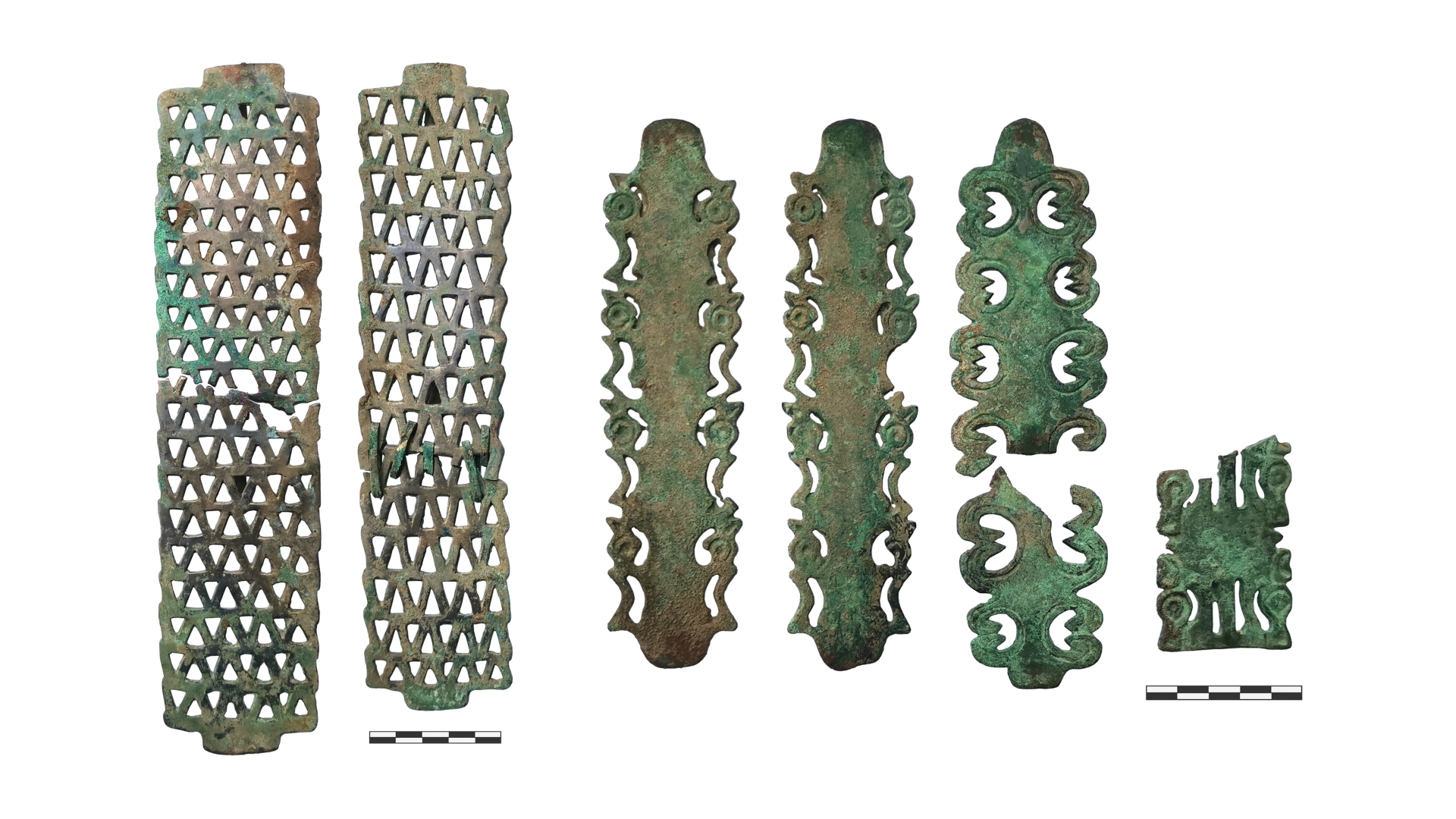
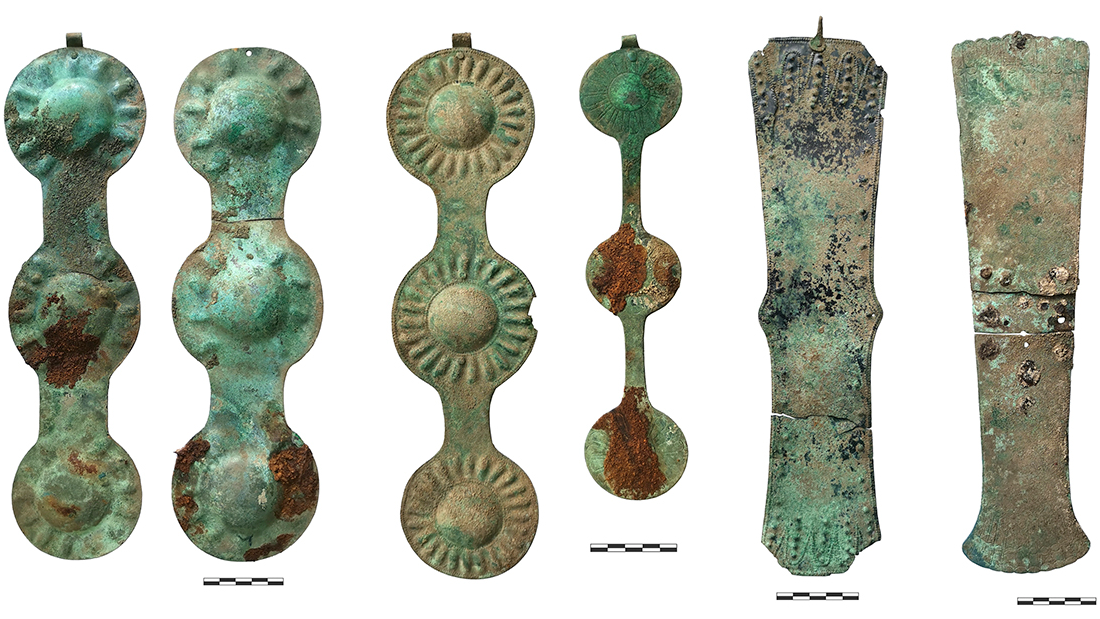
Among the hundreds of objects found in this sacrificial complex were bronze horse browbands, cheek pieces and iron bits representing at least a dozen ancient bridles. The browband of a bridle runs across the horse's face between the eyes and the ears, while the cheek pieces run perpendicular to the browband, below and to the side of the eye.
The bridles were decorated with flat, round metal circles, some of which represented birds and mythical animals, while others had geometric patterns or human faces. The sacrificial complex also contained a wooden bowl with silver overlays of animal motifs, as well as the jaws of a boar laid out as a sacrificial animal.
Sign up for the Live Science daily newsletter nowContact me with news and offers from other Future brandsReceive email from us on behalf of our trusted partners or sponsorsBy submitting your information you agree to the Terms & Conditions and Privacy Policy and are aged 16 or over.Image 1 of 5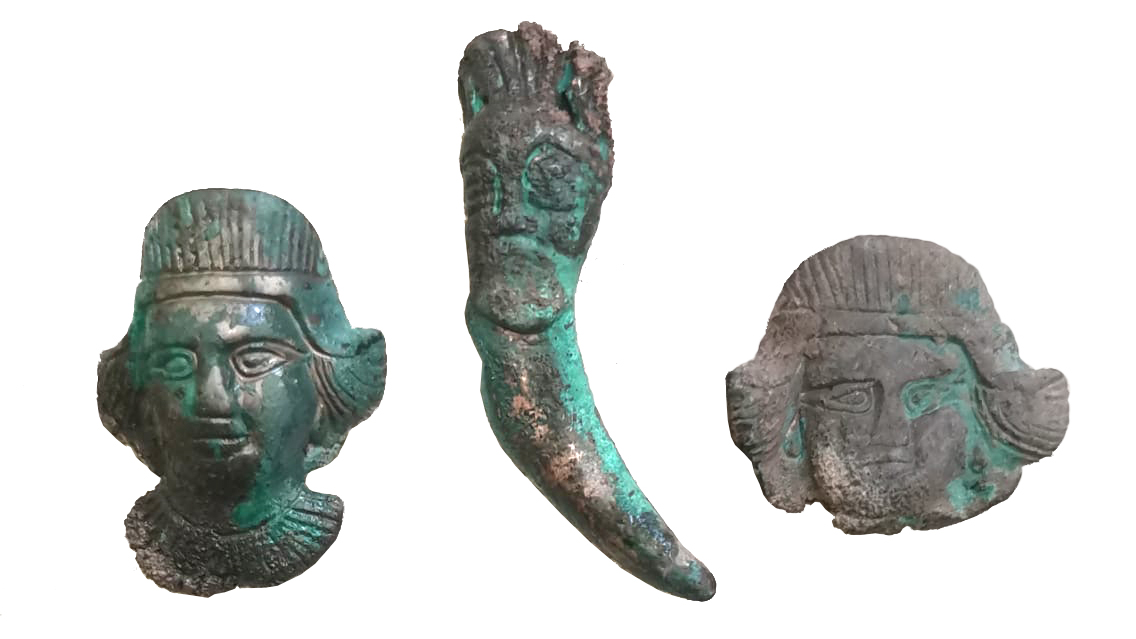 (Image credit: Institute of Archaeology of the Russian Academy of Sciences)
Some of the bronze bridle decorations were shaped like human faces.
 (Image credit: Institute of Archaeology of the Russian Academy of Sciences)
Archaeologists found a gold object with the face and paws of a tiger.
 (Image credit: Institute of Archaeology of the Russian Academy of Sciences)
Some of the numerous bronze bridle pieces from the sacrificial complex.
 (Image credit: Institute of Archaeology of the Russian Academy of Sciences)
Some of the numerous bronze bridle pieces from the sacrificial complex.
 (Image credit: Institute of Archaeology of the Russian Academy of Sciences)
Archaeologists were excavating near this mound at the site of Vysokaya Mogila in southern Russia.
RELATED STORIES—Large mound in Russia reveals 2,500-year-old skeletons of elite nomadic tribesmen … and a horse head
—DNA reveals what killed Napoleon's soldiers during their disastrous retreat from Russia in 1812
—Synagogue unearthed in Russia may be one of the oldest outside Israel. But not everyone is convinced.
This sacrificial complex is the richest ever found, according to the statement, in terms of the sheer number of artifacts and the origin of the items, as many were likely imported from the northern Caucasus and northern Black Sea regions and had never before been found in this area of the world.
Both the silver-lined wooden bowl and the boar jaws suggest that the sacrificial complex was part of a funeral ritual, the archaeologists noted in the statement. The post-funeral ritual activities were probably performed by nomadic nobles in the space between the burial mounds.
The new findings suggest that these cemeteries in the southern Urals were not just places to bury the dead but also sites that people returned to time and again to carry out ritual activities.
Archaeology Fragments Quiz: Can you work out what these mysterious artifacts are?
 Kristina KillgroveSocial Links NavigationStaff writer
Kristina Killgrove is a staff writer at Live Science with a focus on archaeology and paleoanthropology news. Her articles have also appeared in venues such as Forbes, Smithsonian, and Mental Floss. Kristina holds a Ph.D. in biological anthropology and an M.A. in classical archaeology from the University of North Carolina, as well as a B.A. in Latin from the University of Virginia, and she was formerly a university professor and researcher. She has received awards from the Society for American Archaeology and the American Anthropological Association for her science writing.
You must confirm your public display name before commenting
Please logout and then login again, you will then be prompted to enter your display name.
Logout Read more 'We do not know of a similar case': 4,000-year-old burial in little-known African kingdom mystifies archaeologists
 2,000-year-old Celtic teenager may have been sacrificed and considered 'disposable'
 2,000-year-old gold ring holds clue about lavish cremation burial unearthed in France
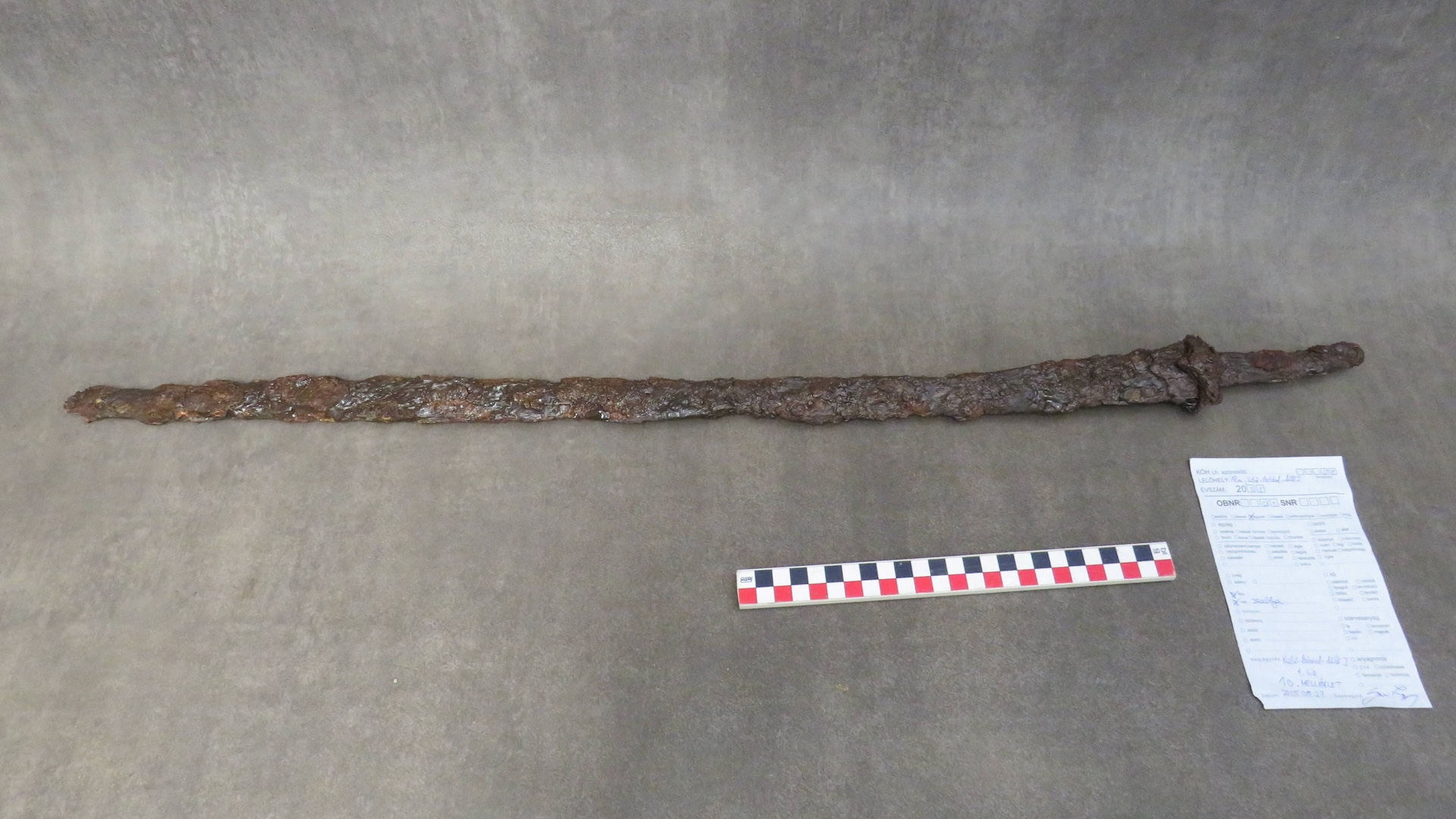 Exceptionally rare iron saber, arrowheads and jewelry discovered in seventh-century warrior's tomb in Hungary
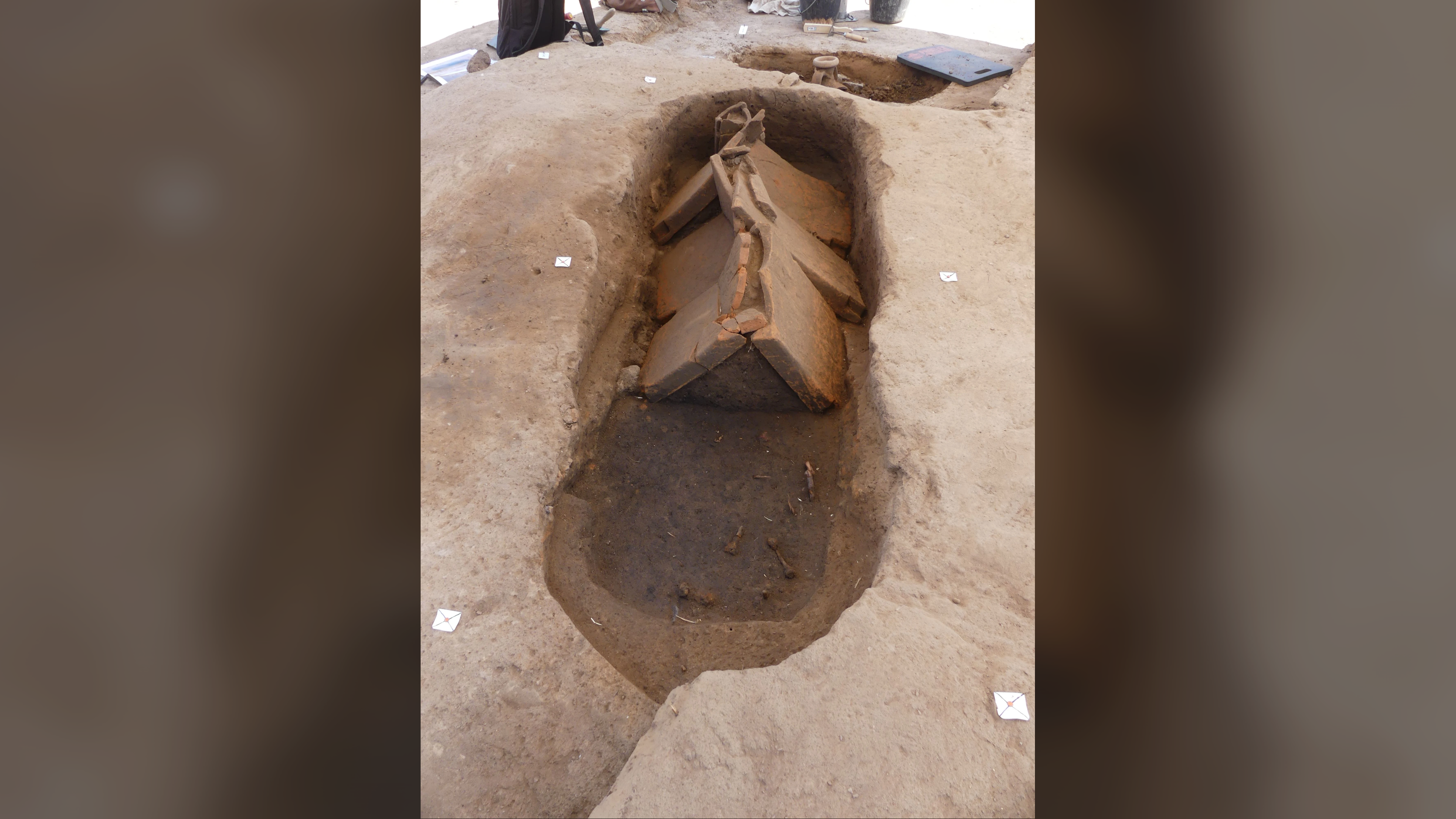 French archaeologists uncover 'vast Roman burial area' with cremation graves 'fed' by liquid offerings
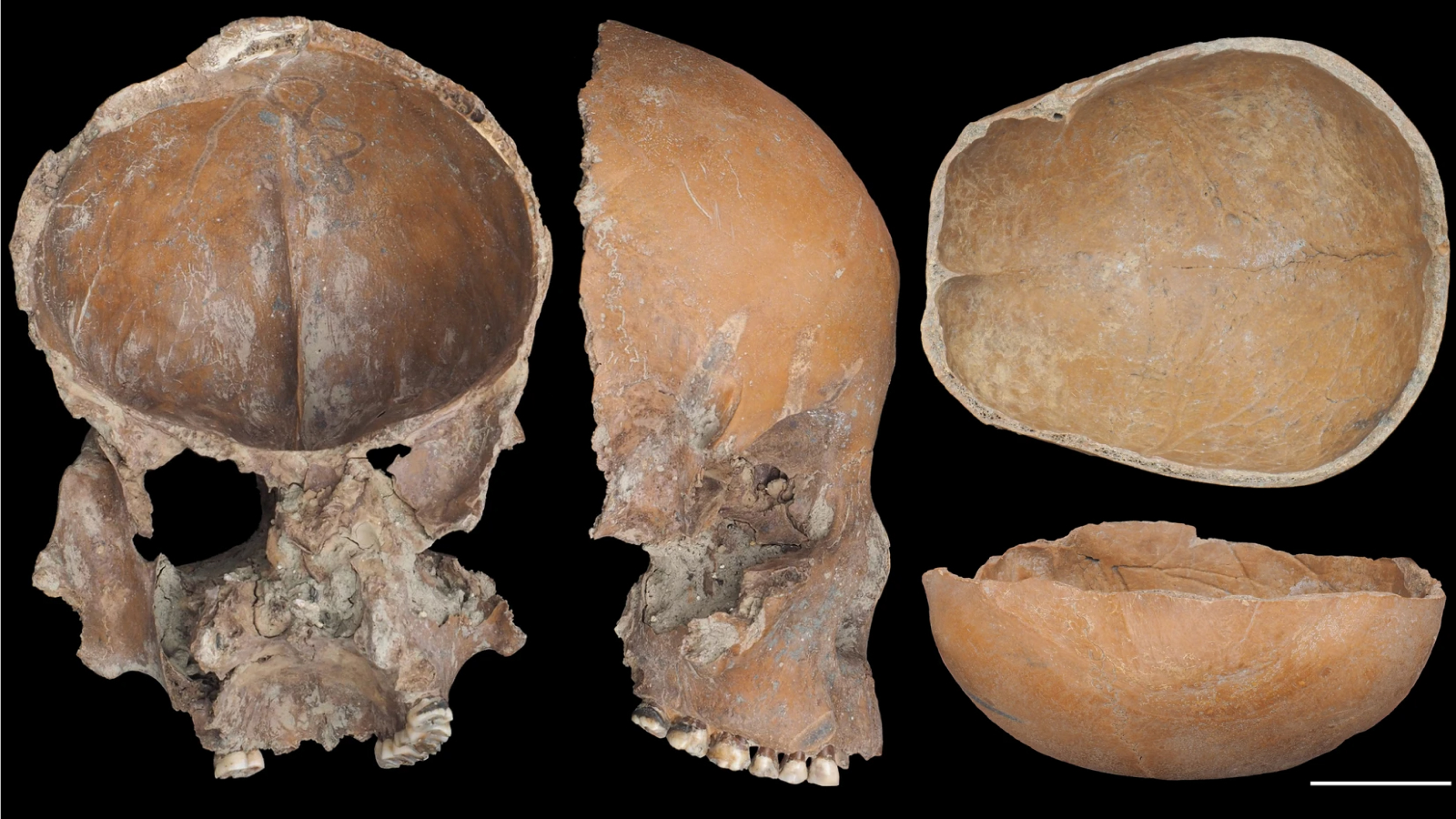 5,000-year-old skeleton masks and skull cups made from human bones discovered in China
Latest in Archaeology
5,000-year-old skeleton masks and skull cups made from human bones discovered in China
Latest in Archaeology
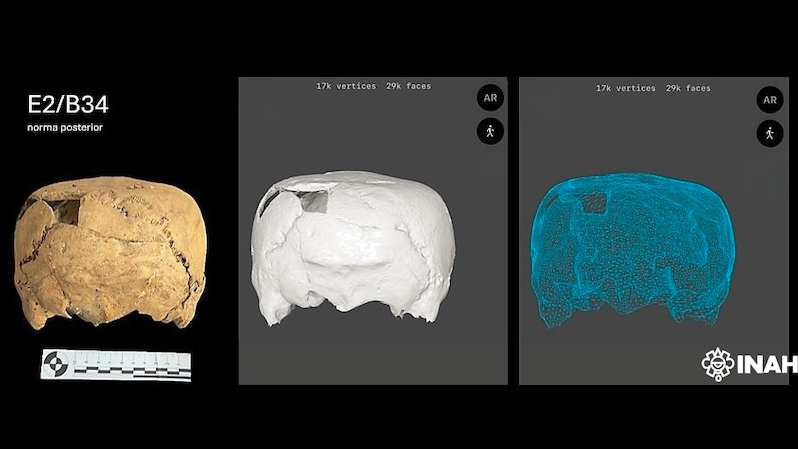 Unusual, 1,400-year-old cube-shaped human skull unearthed in Mexico
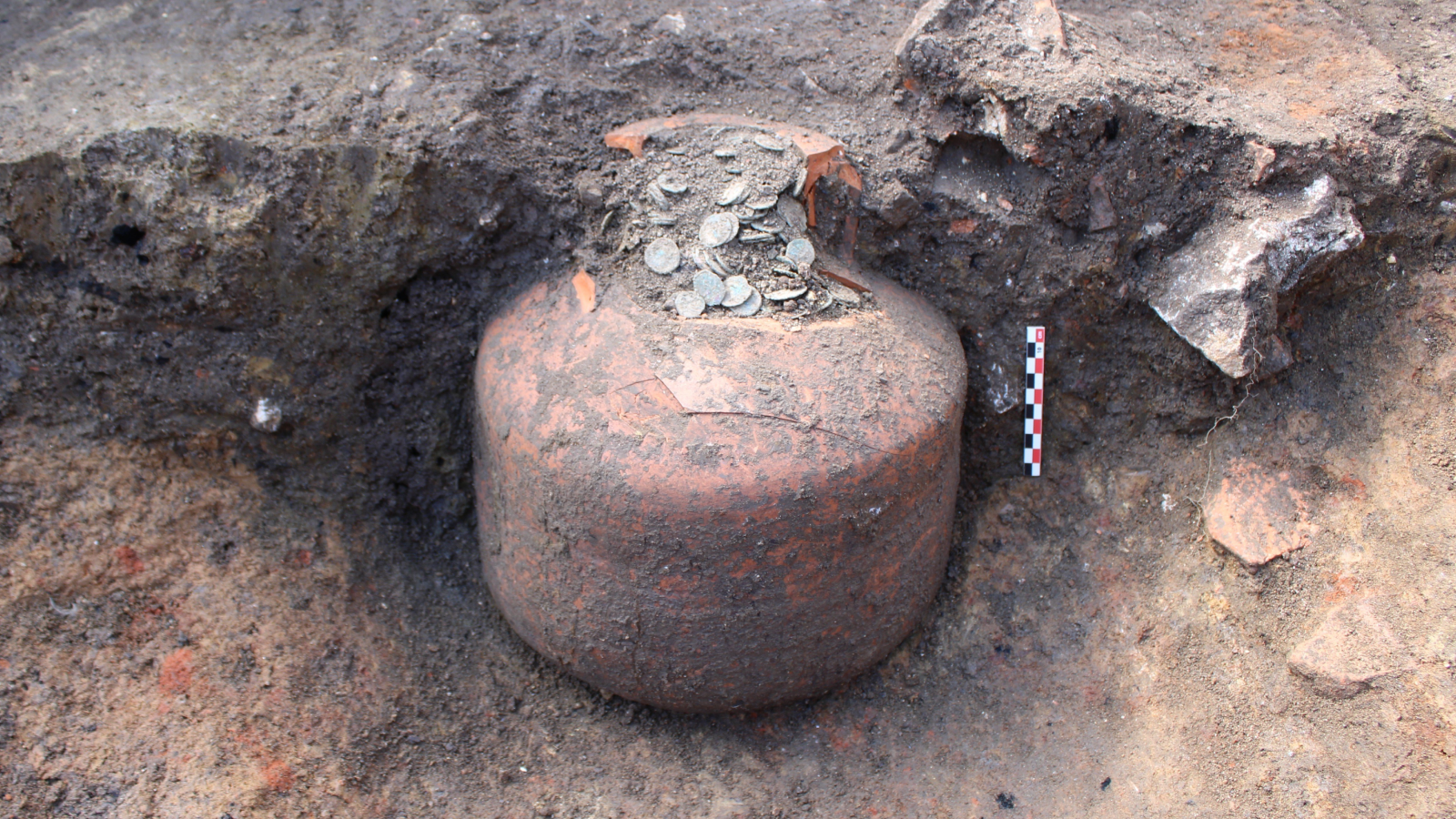 1,800-year-old 'piggy banks' full of Roman-era coins unearthed in French village
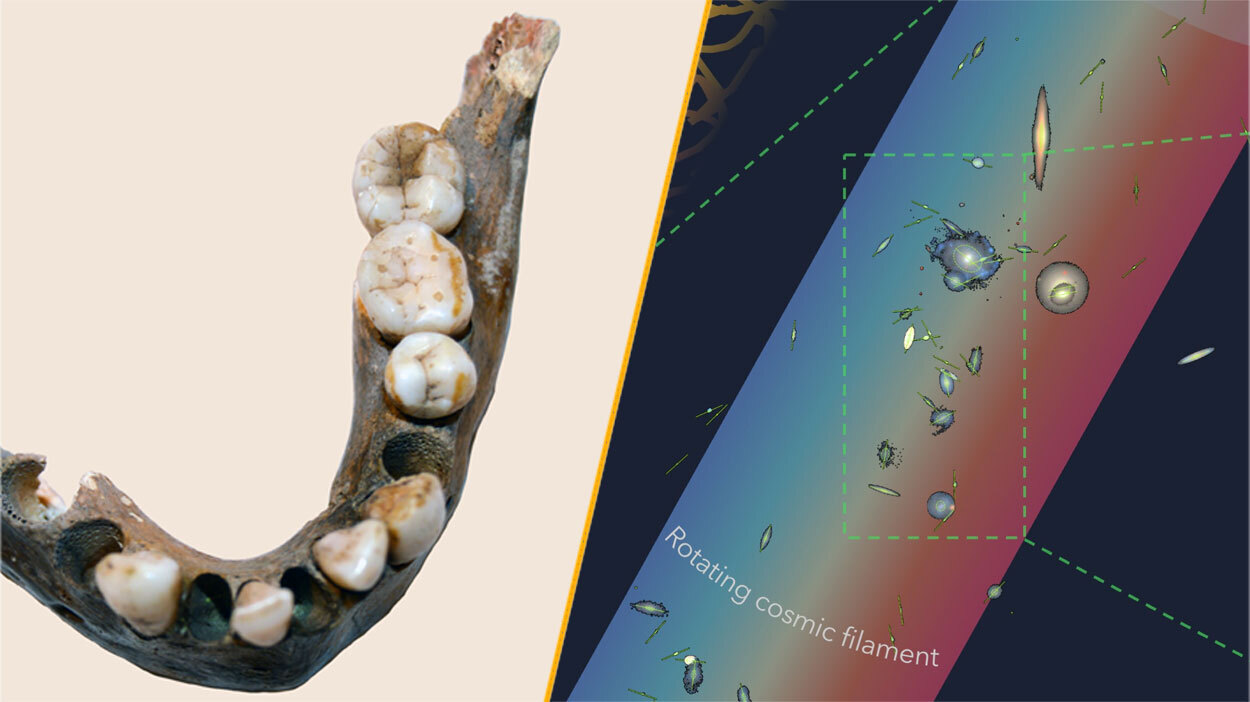 Science news this week: A human population isolated for 100,000 years, the biggest spinning structure in the universe, and a pit full of skulls
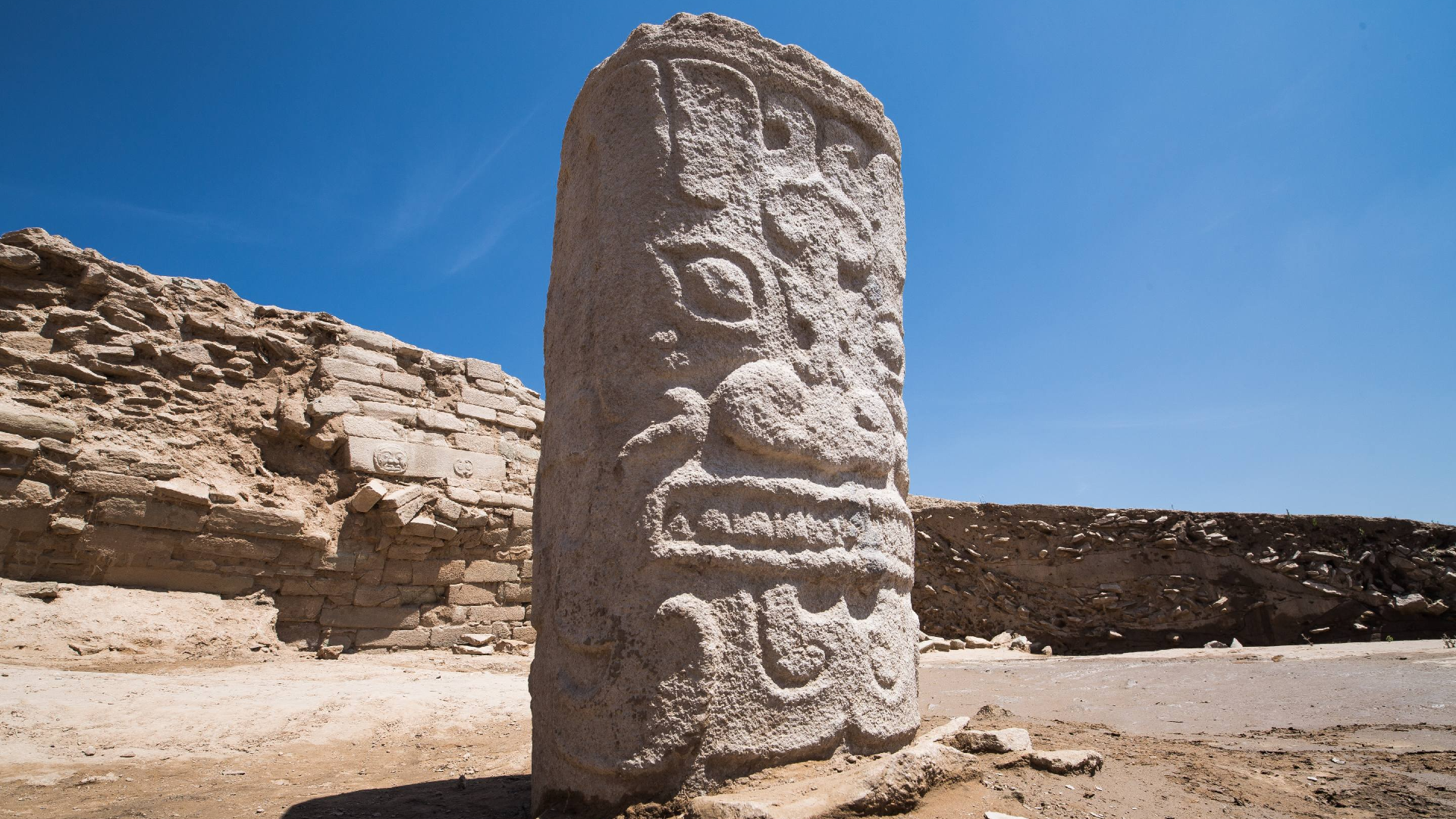 Male human heads found in a 'skull pit' in an ancient Chinese city hint at sex-specific sacrifice rituals
 What if Antony and Cleopatra had defeated Octavian?
 Ancient 'hanging coffin' people in China finally identified — and their descendants still live there today
Latest in News
Ancient 'hanging coffin' people in China finally identified — and their descendants still live there today
Latest in News
 New 3I/ATLAS images show the comet getting active ahead of close encounter with Earth
 Ethereal structure in the sky rivals 'Pillars of Creation' — Space photo of the week
2,400-year-old 'sacrificial complex' uncovered in Russia is the richest site of its kind ever discovered
Ethereal structure in the sky rivals 'Pillars of Creation' — Space photo of the week
2,400-year-old 'sacrificial complex' uncovered in Russia is the richest site of its kind ever discovered
 CDC panel, stuffed with vaccine skeptics, votes to end recommendation for universal newborn hepatitis B vaccination
 Giant sunspot on par with the one that birthed the Carrington Event has appeared on the sun — and it's pointed right at Earth
 Could aging eggs be 'rejuvenated'? New tool may help pave the way to fertility-extending treatments
LATEST ARTICLES
Could aging eggs be 'rejuvenated'? New tool may help pave the way to fertility-extending treatments
LATEST ARTICLES- 1Ethereal structure in the sky rivals 'Pillars of Creation' — Space photo of the week
- 2What was the loudest sound ever recorded?
- 3New 3I/ATLAS images show the comet getting active ahead of close encounter with Earth
- 4Unusual, 1,400-year-old cube-shaped human skull unearthed in Mexico
- 51,800-year-old 'piggy banks' full of Roman-era coins unearthed in French village