- Space
- Astronomy
- Planets
- Mars
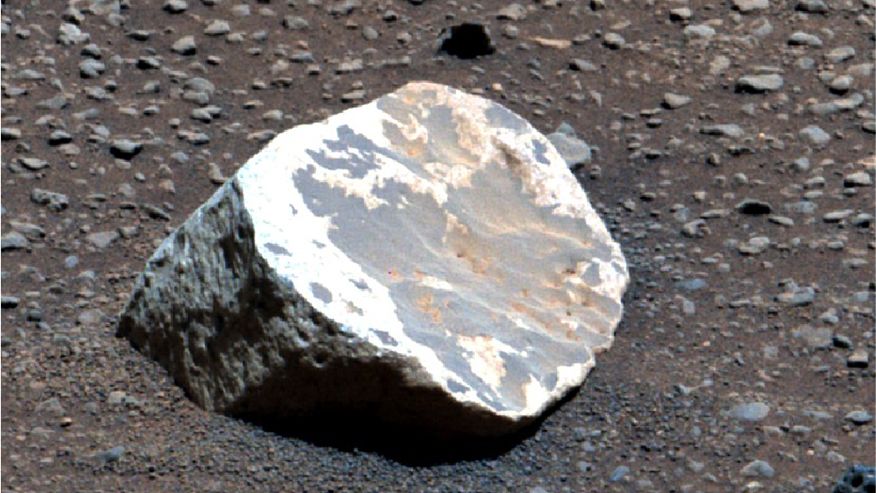
Bleached clay rocks found on the Martian surface suggest that the Red Planet was once home to heavy rainfall and tropical conditions, new Perseverance observations hint.
0 Comments Join the conversationWhen you purchase through links on our site, we may earn an affiliate commission. Here’s how it works.
 A bleached white rock on Mars. On Earth, rocks like these only form after millions of years of warm and wet conditions.
(Image credit: NASA)
A bleached white rock on Mars. On Earth, rocks like these only form after millions of years of warm and wet conditions.
(Image credit: NASA)
Mars was once home to wet, humid areas that received heavy rainfall, similar to tropical regions on Earth, a new study of unusually bleached rocks suggests.
Researchers were intrigued by peculiar light-colored rocks that NASA's Perseverance rover discovered on the Martian surface. Upon closer inspection, the rocks turned out to be kaolinite, an aluminum-rich type of clay, the scientists reported in the study, which was published Dec. 1 in the journal Communications Earth & Environment.
You may like-
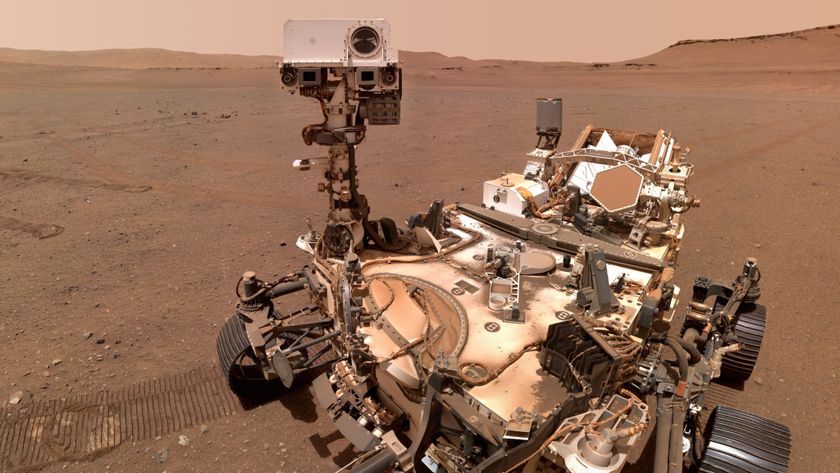 'Incredibly exciting': NASA claims it's found the 'clearest sign' yet of past life on Mars
-
 2 million black 'streaks' on Mars finally have an explanation, solving 50-year mystery
-
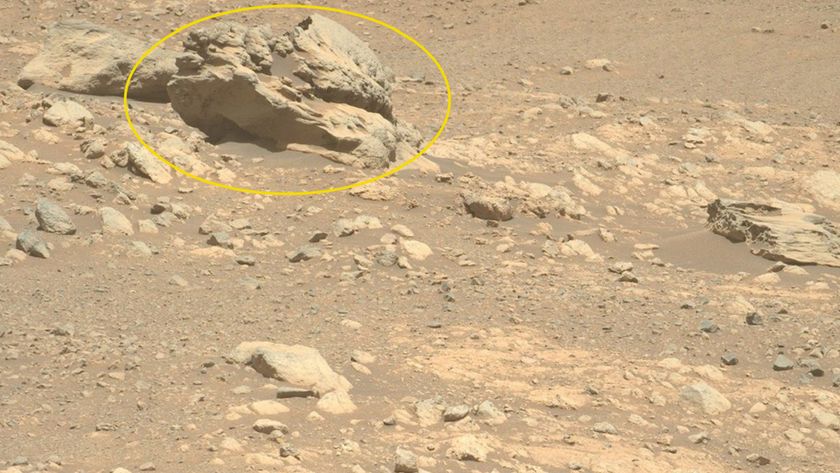 Odd-looking rock on Mars is totally alien to the Red Planet, Perseverance rover finds
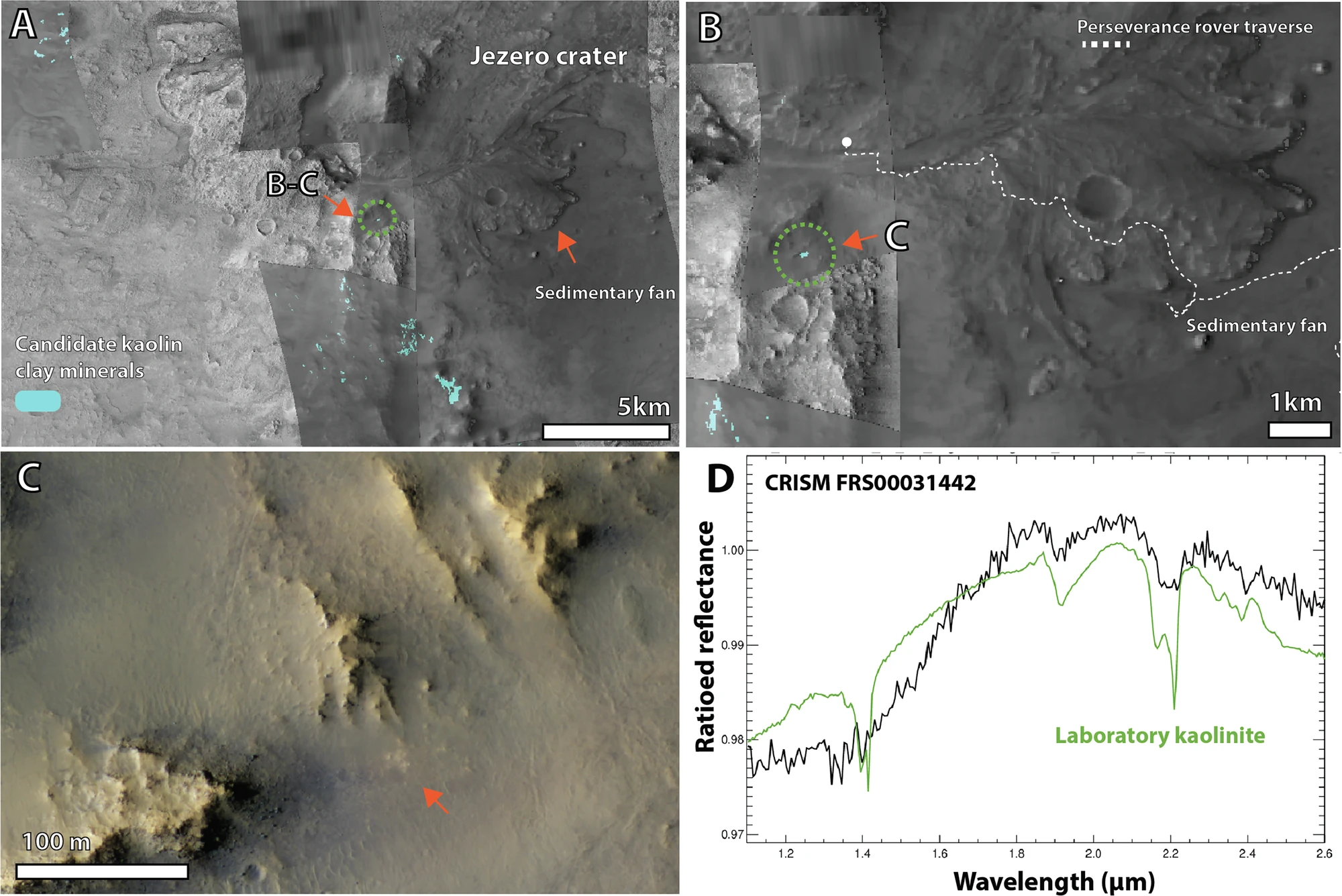
"Until we can actually get to these large outcroppings with the rover, these small rocks are our only on-the-ground evidence," Briony Horgan, a planetary scientist at Purdue University and co-author of the study, said in the statement.
Sign up for the Live Science daily newsletter nowContact me with news and offers from other Future brandsReceive email from us on behalf of our trusted partners or sponsorsBy submitting your information you agree to the Terms & Conditions and Privacy Policy and are aged 16 or over.related stories—NASA's Perseverance rover loses its hitchhiking 'pet rock' after more than a year together on Mars
—In a 1st, NASA's Perseverance rover makes breathable oxygen on Mars
—NASA rover watches 'fiendish' Martian 'dust devils' collide in rare case of extraterrestrial cannibalism
The presence of kaolinite on Mars adds weight to the hypothesis that the Red Planet was a wet oasis at some point in the distant past, though exactly when and how it dried up are still debated.
The leading hypotheses suggest that the planet lost its water sometime between 3 billion and 4 billion years ago, when its magnetic field weakened enough for solar winds to strip away its atmosphere. But this process was likely complex and multifaceted. Studying these ancient clays could give scientists more insight into how and when Mars lost its water, the researchers said.
It could also provide clues about Mars' potential habitability, Broz said, since "all life uses water."
 Joanna ThompsonSocial Links NavigationLive Science Contributor
Joanna Thompson is a science journalist and runner based in New York. She holds a B.S. in Zoology and a B.A. in Creative Writing from North Carolina State University, as well as a Master's in Science Journalism from NYU's Science, Health and Environmental Reporting Program. Find more of her work in Scientific American, The Daily Beast, Atlas Obscura or Audubon Magazine.
You must confirm your public display name before commenting
Please logout and then login again, you will then be prompted to enter your display name.
Logout Read more 'Incredibly exciting': NASA claims it's found the 'clearest sign' yet of past life on Mars
 2 million black 'streaks' on Mars finally have an explanation, solving 50-year mystery
 Odd-looking rock on Mars is totally alien to the Red Planet, Perseverance rover finds
 Scientists discover first direct evidence that slivers of 'proto-Earth' may survive today
 'A genuine surprise': Near-Earth asteroid Ryugu once had 'flowing water' that transformed its insides
 Soar through a 1,000-mile-long maze on Mars in this mesmerizing new satellite video
Latest in Mars
Odd-looking rock on Mars is totally alien to the Red Planet, Perseverance rover finds
2 million black 'streaks' on Mars finally have an explanation, solving 50-year mystery
Soar through a 1,000-mile-long maze on Mars in this mesmerizing new satellite video
Soar through a 1,000-mile-long maze on Mars in this mesmerizing new satellite video
Latest in Mars
Odd-looking rock on Mars is totally alien to the Red Planet, Perseverance rover finds
2 million black 'streaks' on Mars finally have an explanation, solving 50-year mystery
Soar through a 1,000-mile-long maze on Mars in this mesmerizing new satellite video
 'If there is a space race, China's already winning it': NASA unlikely to bring Mars samples back to Earth before China does, experts say
'Incredibly exciting': NASA claims it's found the 'clearest sign' yet of past life on Mars
'If there is a space race, China's already winning it': NASA unlikely to bring Mars samples back to Earth before China does, experts say
'Incredibly exciting': NASA claims it's found the 'clearest sign' yet of past life on Mars
 NASA spots bizarre 'turtle' on Mars
Latest in News
NASA spots bizarre 'turtle' on Mars
Latest in News
 New 3I/ATLAS images show the comet getting active ahead of close encounter with Earth
 Ethereal structure in the sky rivals 'Pillars of Creation' — Space photo of the week
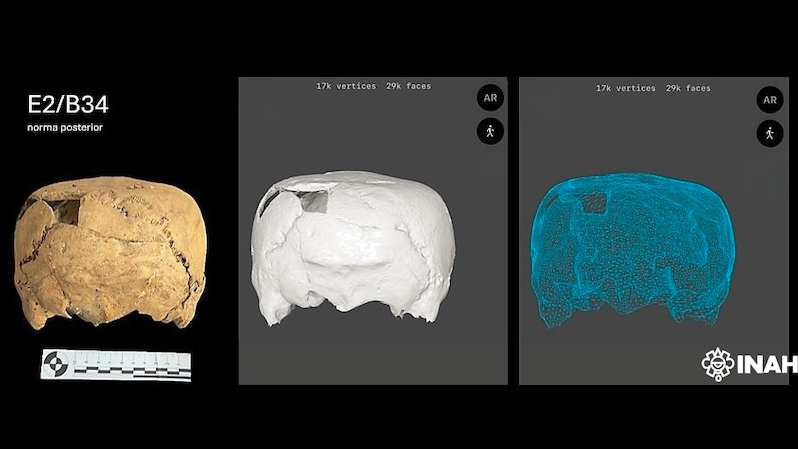 Unusual, 1,400-year-old cube-shaped human skull unearthed in Mexico
Strangely bleached rocks on Mars hint that the Red Planet was once a tropical oasis
Unusual, 1,400-year-old cube-shaped human skull unearthed in Mexico
Strangely bleached rocks on Mars hint that the Red Planet was once a tropical oasis
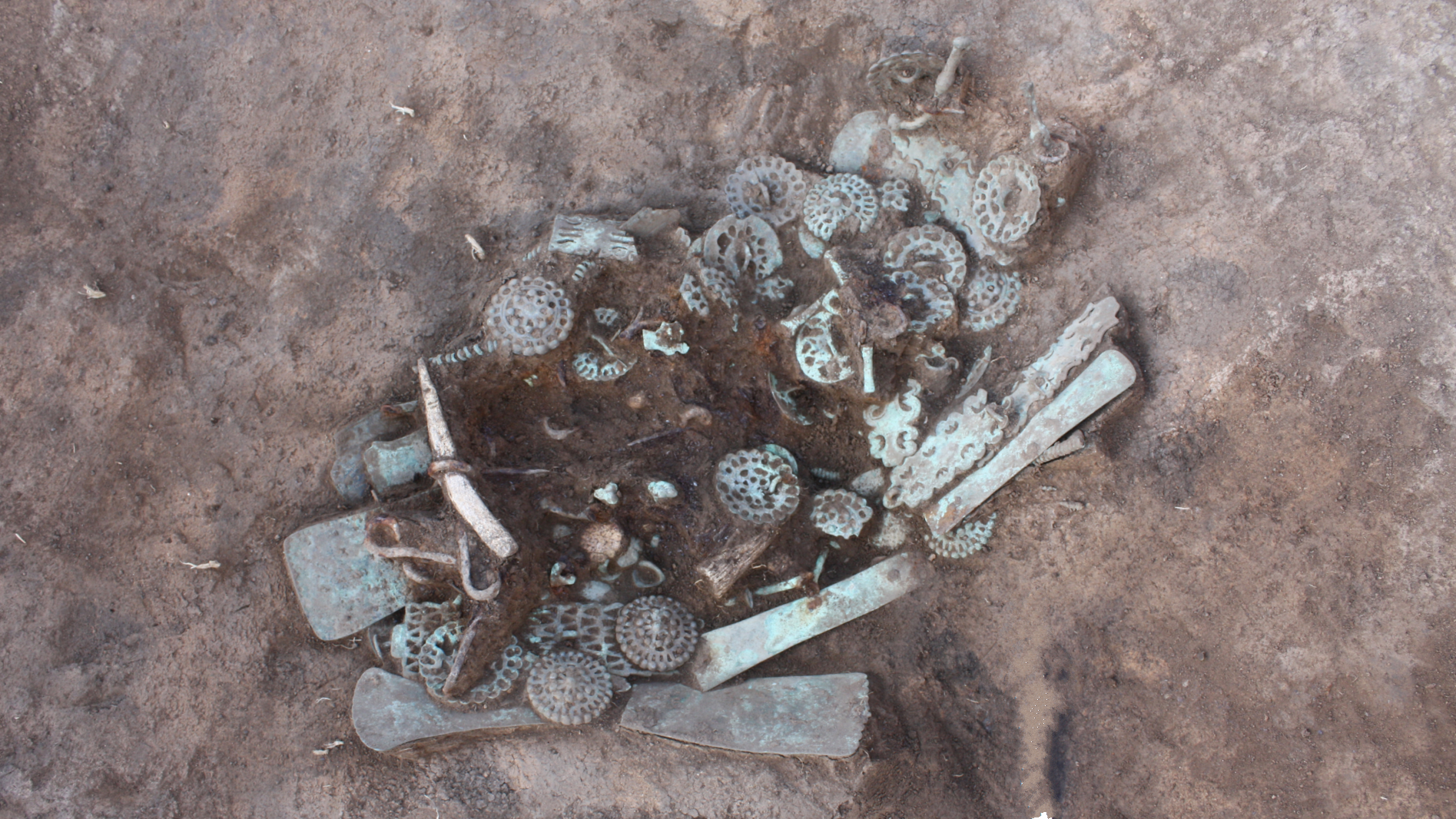 2,400-year-old 'sacrificial complex' uncovered in Russia is the richest site of its kind ever discovered
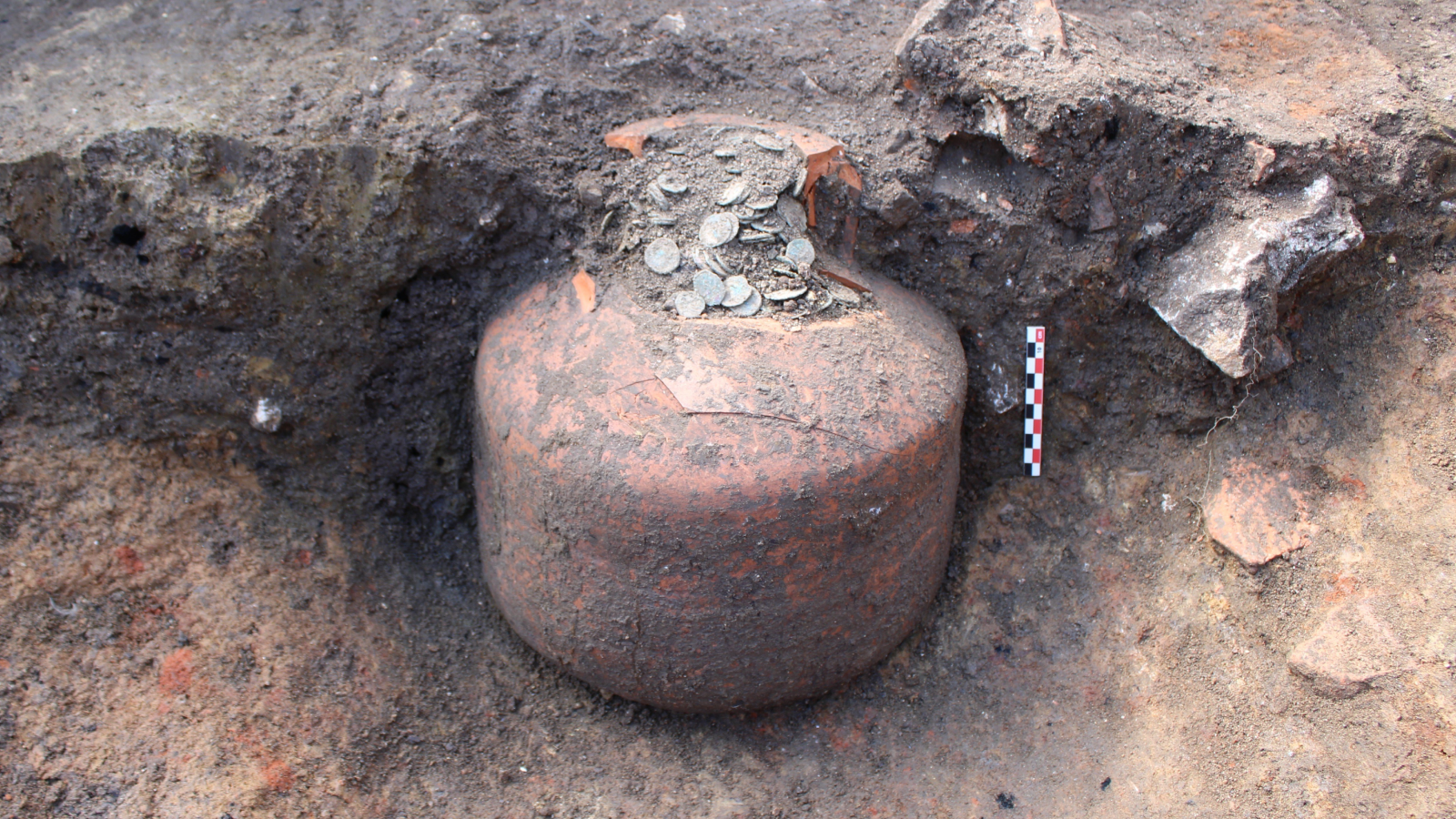 1,800-year-old 'piggy banks' full of Roman-era coins unearthed in French village
LATEST ARTICLES
1,800-year-old 'piggy banks' full of Roman-era coins unearthed in French village
LATEST ARTICLES- 12,400-year-old 'sacrificial complex' uncovered in Russia is the richest site of its kind ever discovered
- 2Ethereal structure in the sky rivals 'Pillars of Creation' — Space photo of the week
- 3What was the loudest sound ever recorded?
- 4New 3I/ATLAS images show the comet getting active ahead of close encounter with Earth
- 5Unusual, 1,400-year-old cube-shaped human skull unearthed in Mexico