- Archaeology
Archaeologists discovered an unusually flat-topped skull at a pre-Hispanic Mesoamerican site.
0 Comments Join the conversationWhen you purchase through links on our site, we may earn an affiliate commission. Here’s how it works.
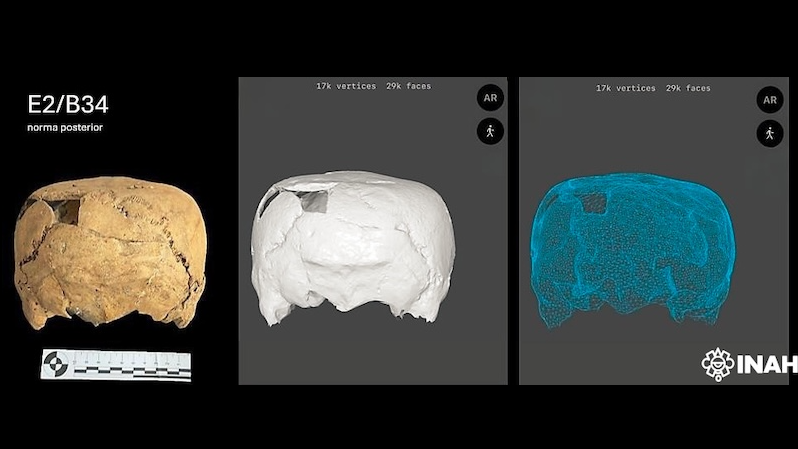
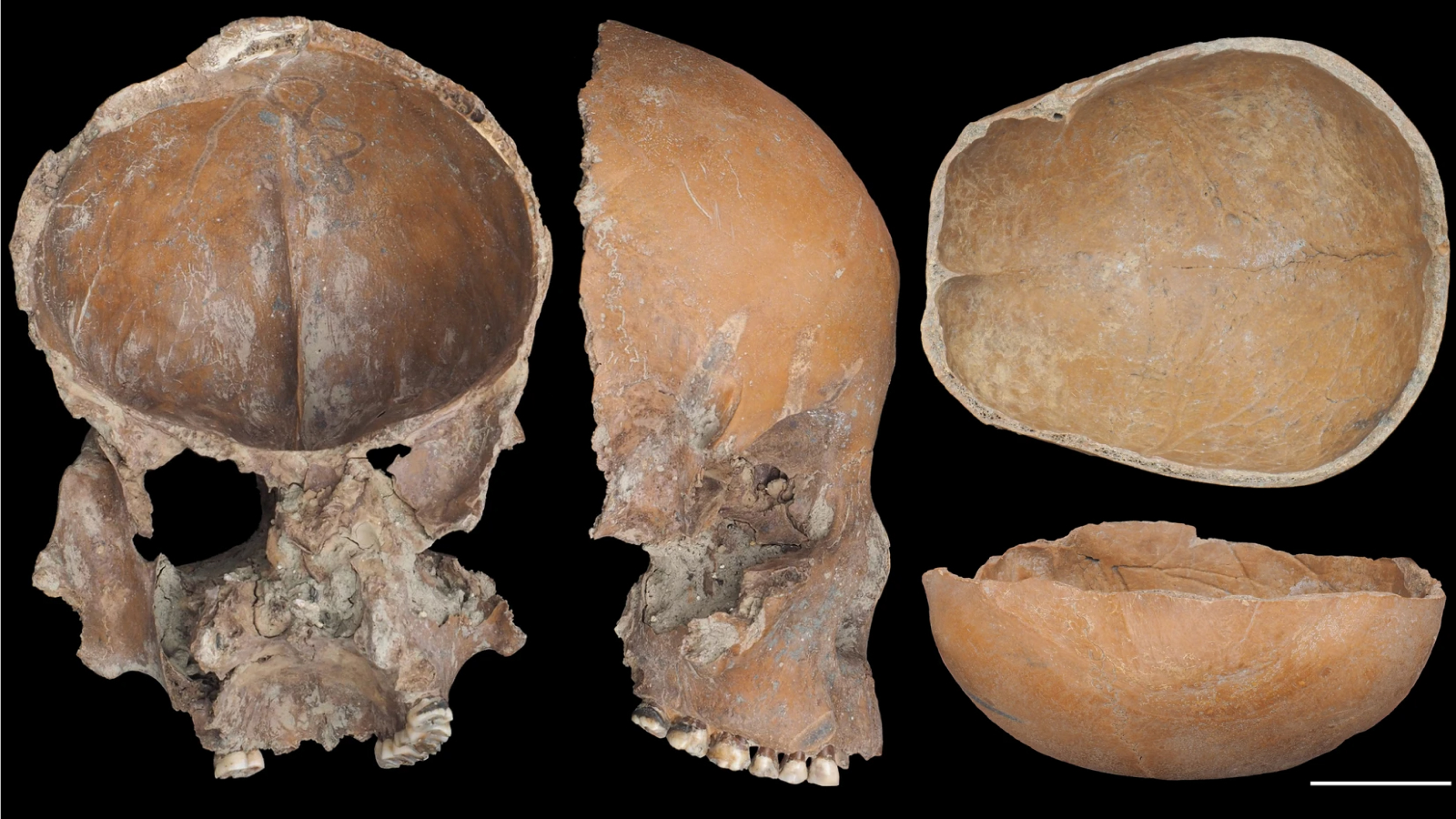
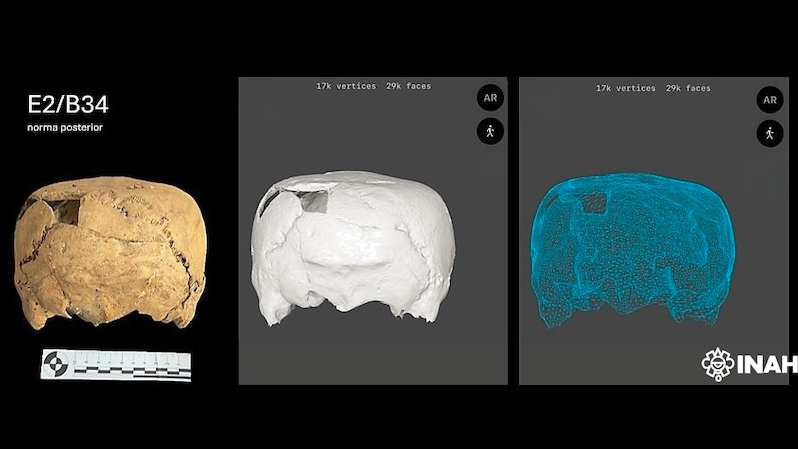 The man's skull (seen here from the back as a photo and a 3D scan and point cloud) was flattened on the top, giving it a cube-shaped appearance.
(Image credit: INAH; Technical Archive of the Physical Anthropology Section of CINAH Tamaulipas)
The man's skull (seen here from the back as a photo and a 3D scan and point cloud) was flattened on the top, giving it a cube-shaped appearance.
(Image credit: INAH; Technical Archive of the Physical Anthropology Section of CINAH Tamaulipas)
Archaeologists digging at a Mesoamerican site in Mexico have discovered an unusual, cube-shaped human skull. It is the first evidence that people in this area practiced a unique form of head-shaping, scientifically known as cranial modification, around 1,400 years ago.
The skull was unearthed near the archaeological site of Balcón de Montezuma (Balcony of Montezuma) in the east-central Mexican state of Tamaulipas. Various Mesoamerican ethnic groups lived in the area between 650 B.C. and A.D. 1200. Around A.D. 400, a village sprang up, eventually encompassing around 90 circular houses in two plazas, according to the Mexican National Institute of Anthropology and History (INAH).
In a recent review of artifacts and bones discovered at Balcón de Montezuma, researchers noticed that the skull of a middle-aged man was a shape they'd never seen before.
You may like-
 350-year-old mummified head from Bolivia isn't what it seems
-
 5,000-year-old skeleton masks and skull cups made from human bones discovered in China
-
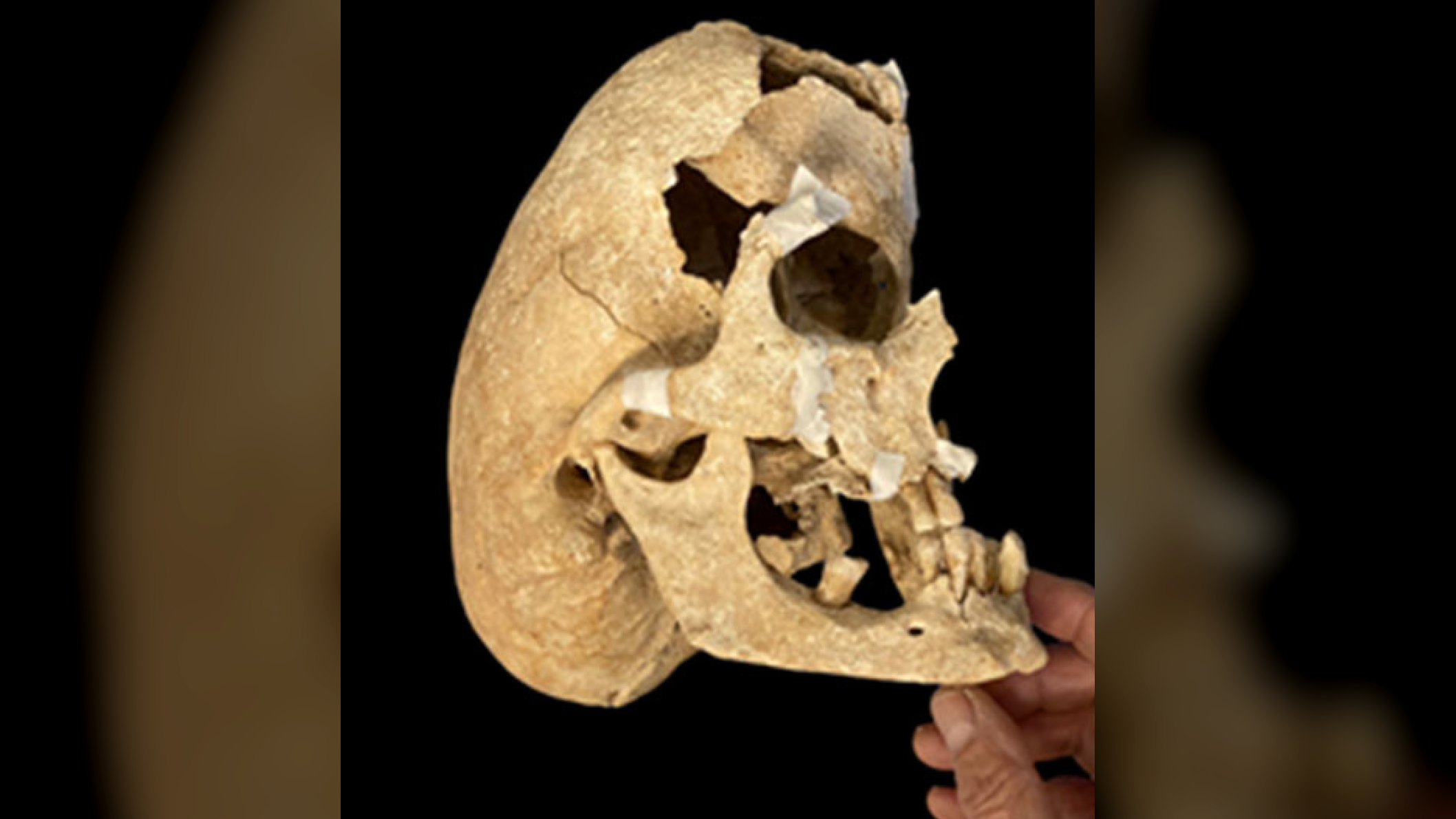
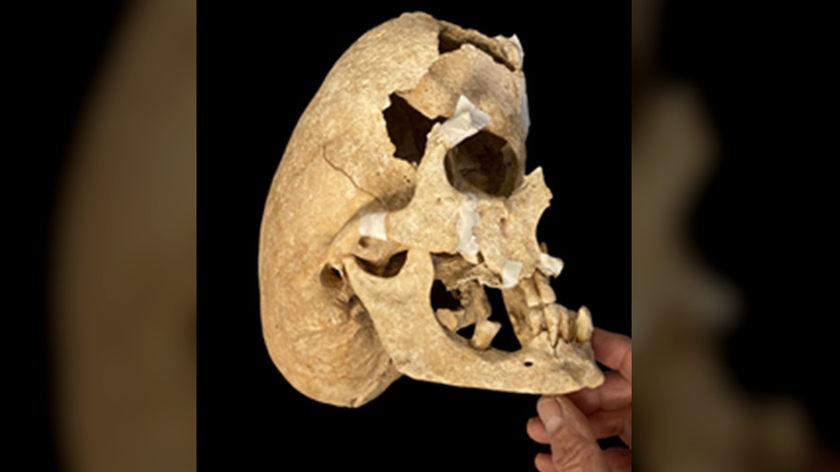 'I had never seen a skull like this before': Medieval Spanish knight who died in battle had a rare genetic condition, study finds
In a Nov. 25 translated INAH statement, biological anthropologist Jesús Ernesto Velasco González explained that, while artificially modified skulls have been discovered in the area before, the shape of this man's skull is unique.
Many people are familiar with cultures that practiced cone-shaped cranial modification, as these skulls have an almost "alien" appearance. Those skull shapes were typically created by using lengths of fabric or soft padding to "bind" the heads of infants and encourage the skull to grow in an "oblique" direction, and they appear elongated.
Most of the modified skulls from Balcón de Montezuma, meanwhile, are shaped in an "erect" direction by placing soft padding on the back and/or front of the skull, causing the person to have a more upright or pointy head.
But the man from Balcón de Montezuma has a different form of "erect" modification in which the top of his head was flattened, giving his skull a cube-shaped appearance that some experts refer to as parallelepiped (shaped like a three-dimensional parallelogram or rhombus).
Sign up for the Live Science daily newsletter nowContact me with news and offers from other Future brandsReceive email from us on behalf of our trusted partners or sponsorsBy submitting your information you agree to the Terms & Conditions and Privacy Policy and are aged 16 or over.Since examples of this flat-topped skull shape had only been seen outside the area, including in Veracruz and in the Maya area, the researchers wanted to test whether the man was local or foreign. Analyzing the chemistry of the man's bones and teeth, however, revealed that he was born in the area, likely lived there his entire life, and died there.
RELATED STORIES—'Alien' skull of toddler is actually evidence of long-standing practice of head shaping
—'Cone-headed' skull from Iran was bashed in 6,200 years ago, but no one knows why
—'Oddly shaped head' left in Italian cave 12,500 years ago is Europe's oldest known case of cranial modification, study finds
The researchers' speculate that man's uncommon head shape may have some sort of culturally-specific meaning that is still unknown. In many parts of Mesoamerica, slightly different head shapes are known to correlate with different cultural groups. Although this man himself was not from another geographic location, it is possible that the people who shaped his head were members of a different cultural group.
Research into the material recovered from past archaeological investigations at Balcón de Montezuma is ongoing, according to INAH Tamaulipas director Tonantzin Silva Cárdenas, and will help expand experts' understanding of the site and its cultural and historical relationships with other pre-Hispanic groups in the area.
Human skeleton quiz: What do you know about the bones in your body?
TOPICS mexico Kristina KillgroveSocial Links NavigationStaff writer
Kristina Killgrove is a staff writer at Live Science with a focus on archaeology and paleoanthropology news. Her articles have also appeared in venues such as Forbes, Smithsonian, and Mental Floss. Kristina holds a Ph.D. in biological anthropology and an M.A. in classical archaeology from the University of North Carolina, as well as a B.A. in Latin from the University of Virginia, and she was formerly a university professor and researcher. She has received awards from the Society for American Archaeology and the American Anthropological Association for her science writing.
You must confirm your public display name before commenting
Please logout and then login again, you will then be prompted to enter your display name.
Logout Read more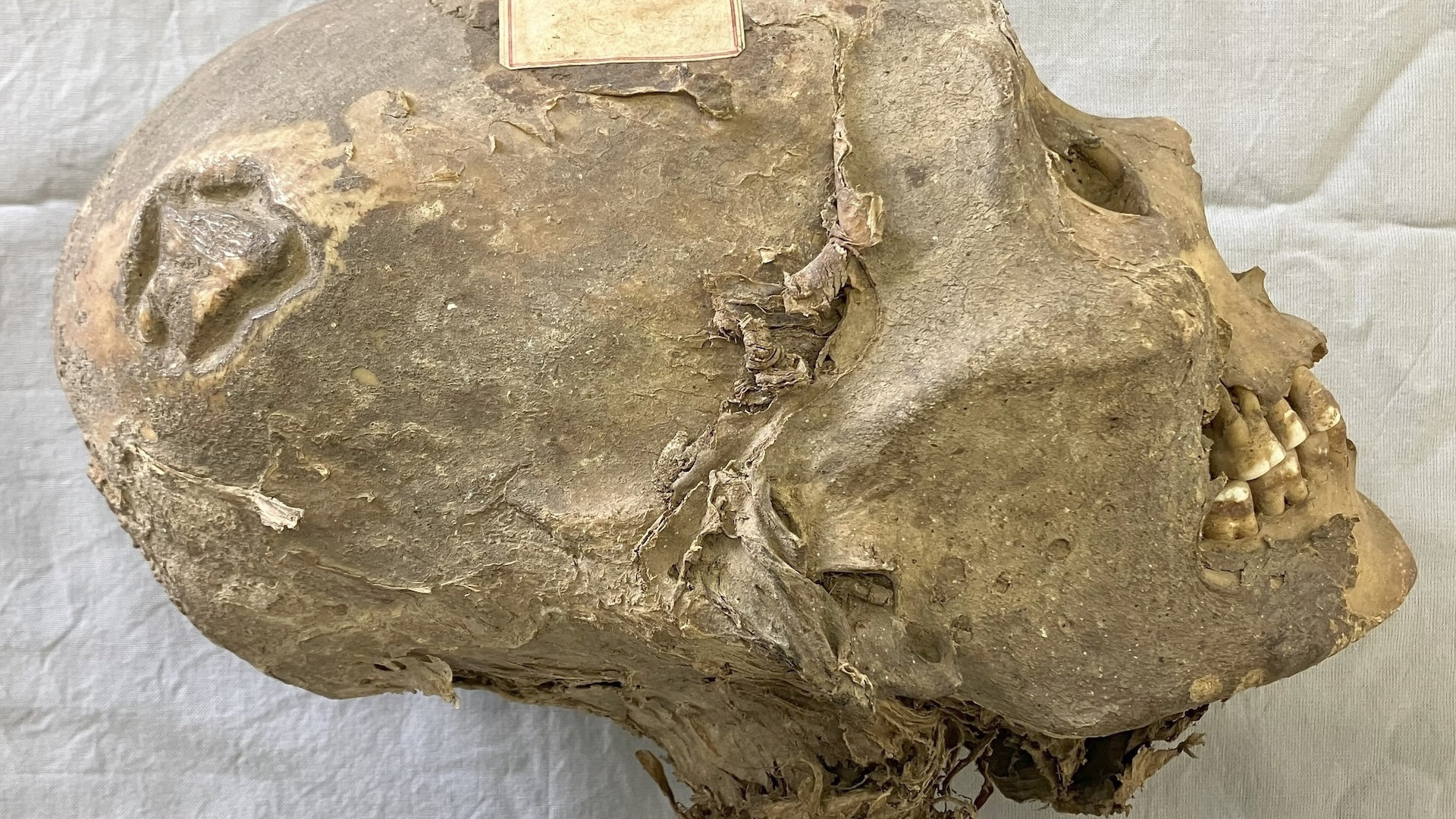 350-year-old mummified head from Bolivia isn't what it seems
 5,000-year-old skeleton masks and skull cups made from human bones discovered in China
 'I had never seen a skull like this before': Medieval Spanish knight who died in battle had a rare genetic condition, study finds
 2,300-year-old tool used for skull surgery unearthed at Celtic settlement in Poland
 Scientists have digitally removed the 'death masks' from four Colombian mummies, revealing their faces for the first time
 1 million-year-old skull from China holds clues to the origins of Neanderthals, Denisovans and humans
Latest in Archaeology
1 million-year-old skull from China holds clues to the origins of Neanderthals, Denisovans and humans
Latest in Archaeology
 1,800-year-old 'piggy banks' full of Roman-era coins unearthed in French village
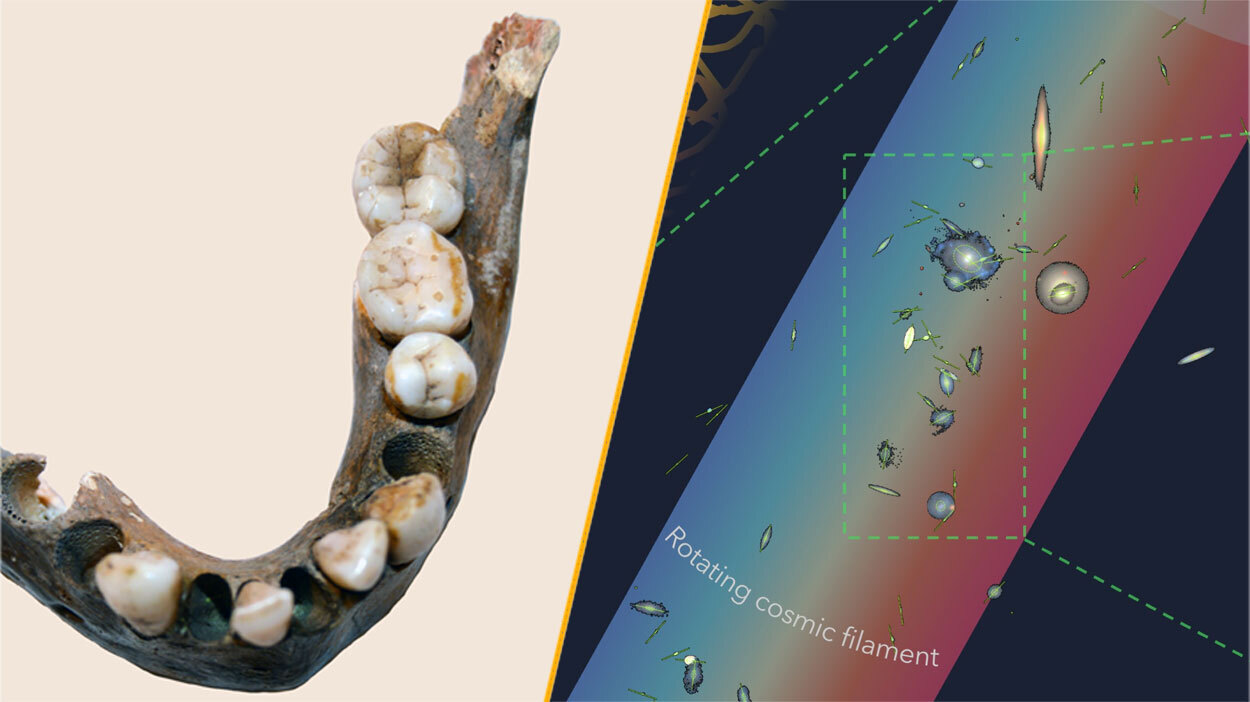 Science news this week: A human population isolated for 100,000 years, the biggest spinning structure in the universe, and a pit full of skulls
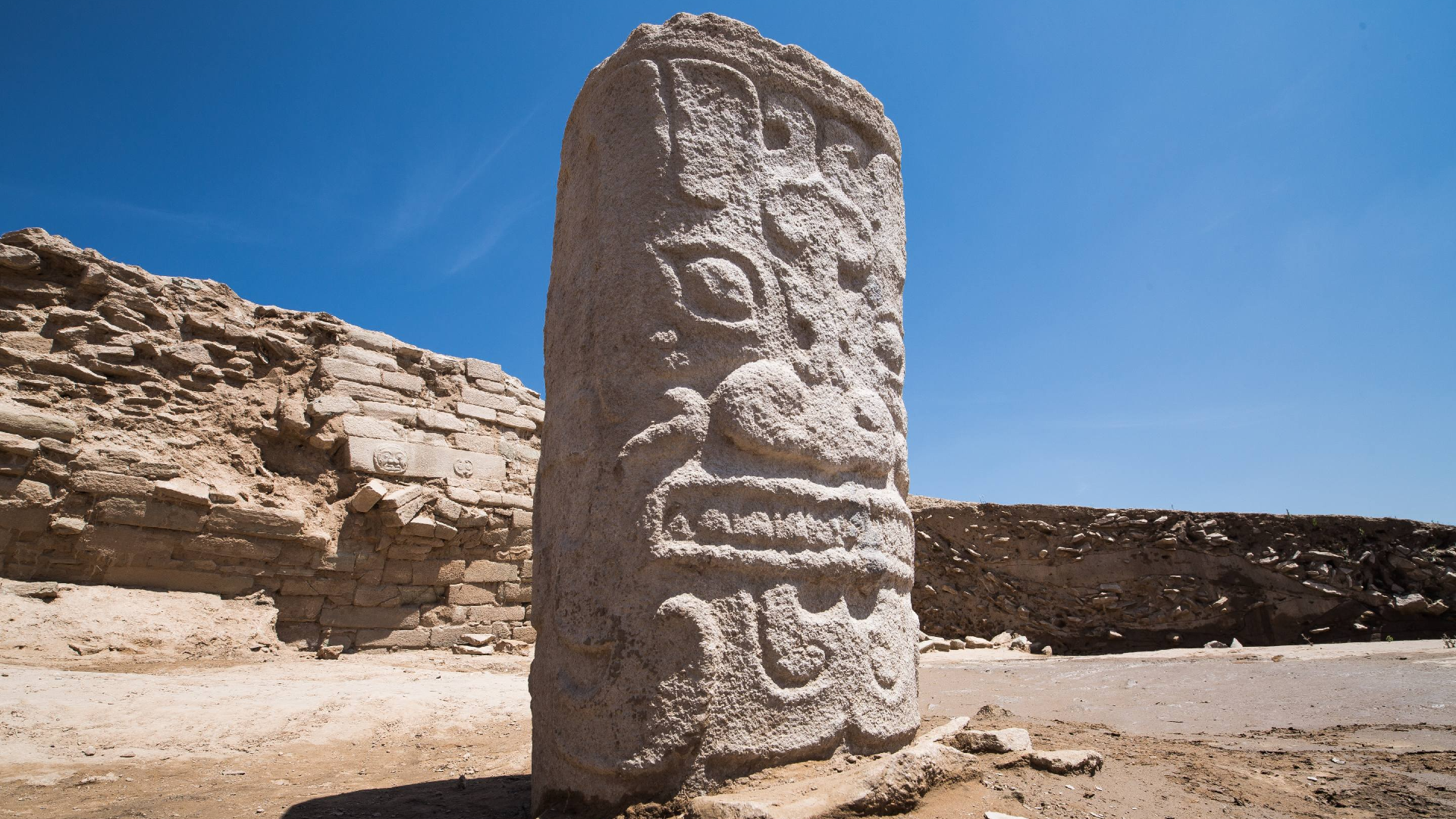 Male human heads found in a 'skull pit' in an ancient Chinese city hint at sex-specific sacrifice rituals
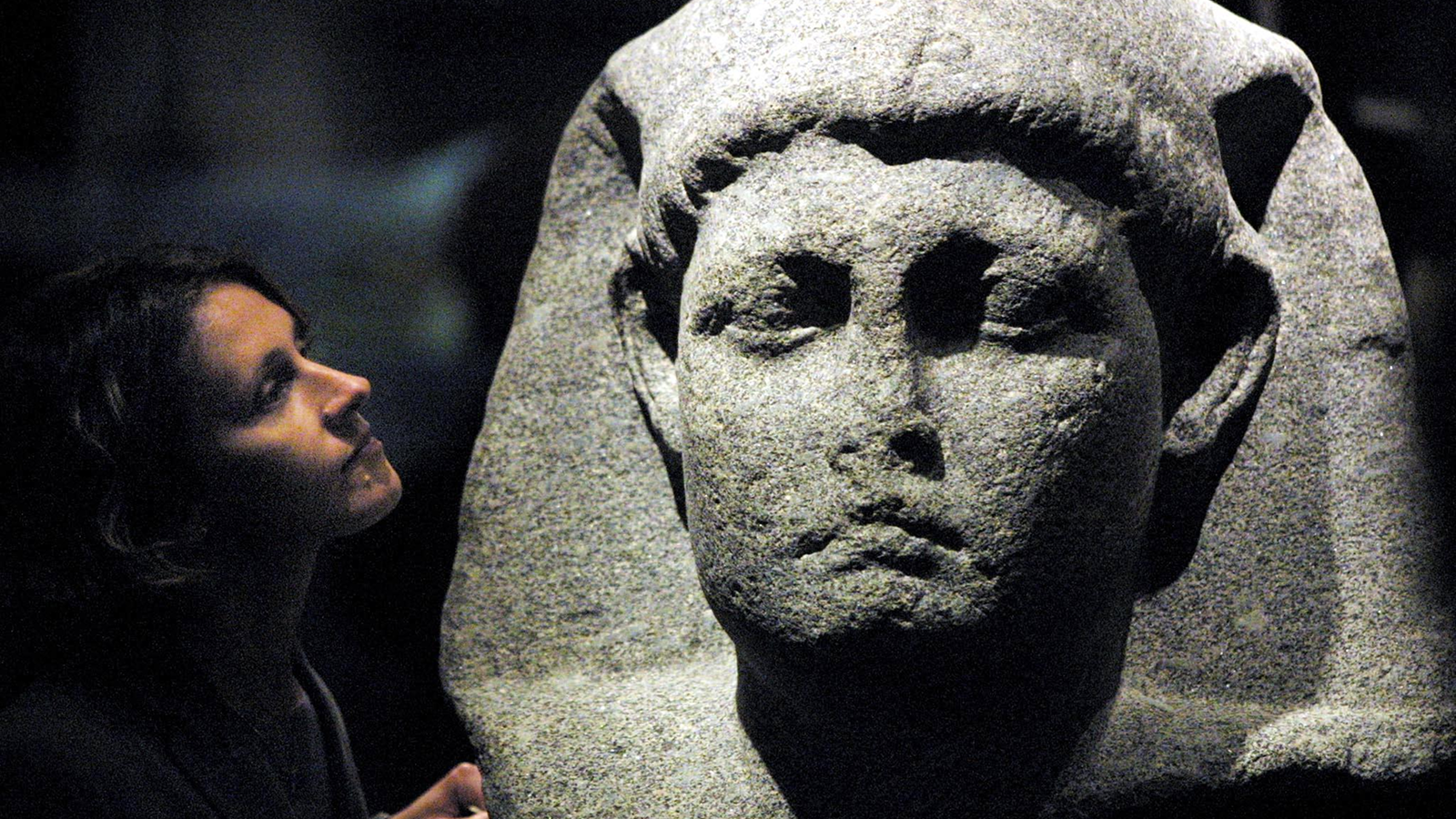 What if Antony and Cleopatra had defeated Octavian?
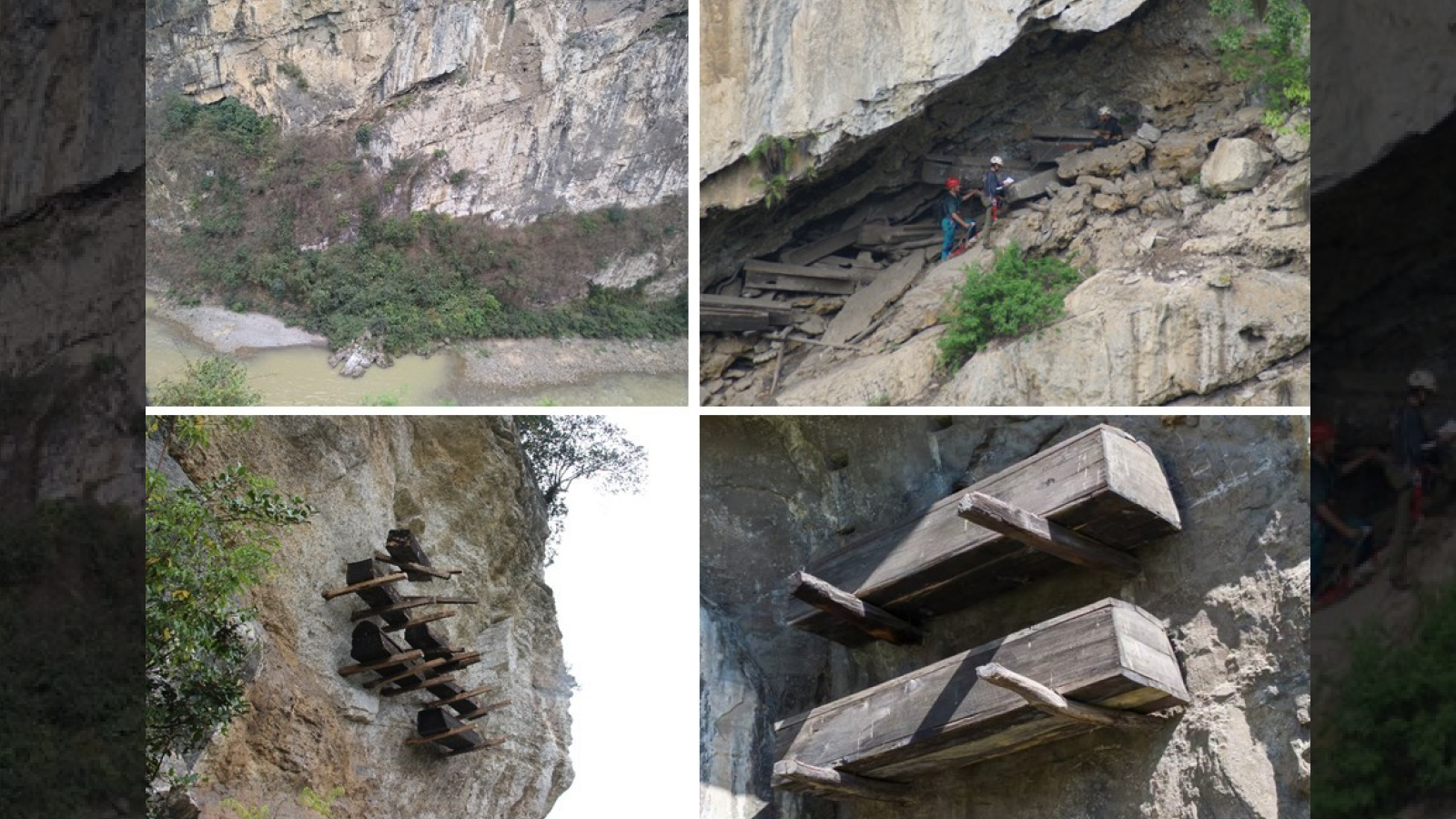 Ancient 'hanging coffin' people in China finally identified — and their descendants still live there today
 'An extreme end of human genetic variation': Ancient humans were isolated in southern Africa for nearly 100,000 years, and their genetics are stunningly different
Latest in News
Unusual, 1,400-year-old cube-shaped human skull unearthed in Mexico
'An extreme end of human genetic variation': Ancient humans were isolated in southern Africa for nearly 100,000 years, and their genetics are stunningly different
Latest in News
Unusual, 1,400-year-old cube-shaped human skull unearthed in Mexico
 CDC panel, stuffed with vaccine skeptics, votes to end recommendation for universal newborn hepatitis B vaccination
 Giant sunspot on par with the one that birthed the Carrington Event has appeared on the sun — and it's pointed right at Earth
 Could aging eggs be 'rejuvenated'? New tool may help pave the way to fertility-extending treatments
 Geminids 2025: The year's best meteor shower is coming, with a second shower hot on its tail
 Injecting anesthetic into a 'lazy eye' may correct it, early study suggests
LATEST ARTICLES
Injecting anesthetic into a 'lazy eye' may correct it, early study suggests
LATEST ARTICLES- 11,800-year-old 'piggy banks' full of Roman-era coins unearthed in French village
- 2What if Antony and Cleopatra had defeated Octavian?
- 3Science history: Female chemist initially barred from research helps helps develop drug for remarkable-but-short-lived recovery in children with leukemia — Dec. 6, 1954
- 4Science news this week: A human population isolated for 100,000 years, the biggest spinning structure in the universe, and a pit full of skulls
- 5CDC panel, stuffed with vaccine skeptics, votes to end recommendation for universal newborn hepatitis B vaccination