By Hollie SilvermanShareNewsweek is a Trust Project member
A federal judge in Maryland denied a request to block depositions of billionaire Elon Musk and two former colleagues in a lawsuit challenging action tied to the shutdown of the U.S. Agency for International Development.
U.S. District Judge Theodore D. Chuang ruled the proposed testimony is justified and not barred by protections for high-ranking officials, according to court records.
Chuang rejected a motion for a protective order that sought to prevent depositions of Musk, former acting USAID deputy administrator Peter Marocco, and former DOGE team lead Jeremy Lewin, concluding the plaintiffs had shown the witnesses likely have first-hand knowledge essential to the case and that the information is not obtainable from other sources.
Why it Matters
The ruling advanced discovery in a constitutional challenge alleging Appointments Clause and separation-of-powers violations stemming from decisions to dismantle USAID that plaintiffs say Musk and others made without lawful authority, potentially affecting how courts assess the scope of power exercised by senior advisers and ad hoc government task forces.
 ...
...What To Know
Judge Chuang denied the defendants’ motion for a protective order on Wednesday under Federal Rule of Civil Procedure 26(c)(1), noting the Fourth Circuit has not formally adopted an apex doctrine and recognized that depositions of high-ranking officials are limited absent extraordinary circumstances.
The judge wrote it was “at best unclear” whether Musk, Marocco, and Lewin qualified as high-ranking officials for this doctrine, emphasizing that USAID is not a Cabinet-level agency, several roles were acting or informal, and that defendants “acknowledge that Musk has left government service,” reducing concerns about current official time burdens.
The court found plaintiffs showed a specific need for testimony on Musk’s role in DOGE and USAID, the timing of appointments, and the identity of decision-makers for key actions, including the shutdown of USAID headquarters and its website, where defendants had not produced documentary evidence identifying authorizing officials.
The judge concluded that plaintiffs demonstrated a need for testimony “beyond what is already in the public record” and that the information sought was not obtainable from other sources, requiring Musk and others to provide it.
In 2025 proceedings involving DOGE, a federal judge in Washington, D.C., denied states’ requests for a temporary restraining order, while expressing concern about claims of Musk’s authority; in that case, the court cited that plaintiffs had not shown irreparable harm, and the White House said Musk served as a senior adviser, not DOGE’s formal head, CBS News reported.
Separately in early 2025, courts addressed DOGE’s access to agency systems, including a preliminary injunction that blocked DOGE from accessing certain Treasury Department materials, while another judge denied a bid to block access to Labor Department data based on standing grounds, reflecting varied outcomes across jurisdictions, according to a report from the Associated Press (AP).
What People Are Saying
U.S. District Judge Theodore D. Chuang said in a February 4 court record: "Defendants notably have never, in relation to that Order or otherwise, identified any lower-ranking officials who were present when such decisions were made. Accordingly, the Court finds that there is no alternative to the proposed depositions of Musk, Marocco, and Lewin."
New York Attorney General Letitia James said of DOGE and Musk on Feb. 8, 2025, as reported by AP: “This unelected group, led by the world’s richest man, is not authorized to have this information.”
President Donald Trump, in remarks referenced Feb. 18, 2025, NPR reported: “Elon is, to me, a patriot.”
What Happens Next
The case proceeds to depositions of Musk, Marocco, and Lewin, with the court indicating any concerns about intruding on presidential functions could be addressed through subject-matter limits rather than preclusion.
Discovery will address the identity and authority of decision-makers and the timing of key actions tied to USAID’s dismantling, issues the court previously said required additional factual development.
A date has not been set for depositions, and it remains unclear whether Musk, Marocco, and Lewin will file further motions in the case.
Request Reprint & LicensingSubmit CorrectionView Editorial & AI Guidelines Add Newsweek as a preferred source on Google to see more of our trusted coverage when you search.
Related Podcasts
Top Stories
 NewsNancy Guthrie ‘Abduction’: New 911 Audio Released, As FBI Sends Extra Agents To Arizona2 min read
 For MembersAnalysisRussia Just Put Another TACO on Trump’s Plate5 min read
 NewsGavin McKenna, Top NHL Draft Prospect, Faces Felony Assault Charge3 min read
 U.S.300-Plus Former Prosecutors Urge DOJ to Allow Minnesota Probes of Killings4 min read
 NewsKristi Noem Says She Found a Source of Major DHS Leaks4 min read
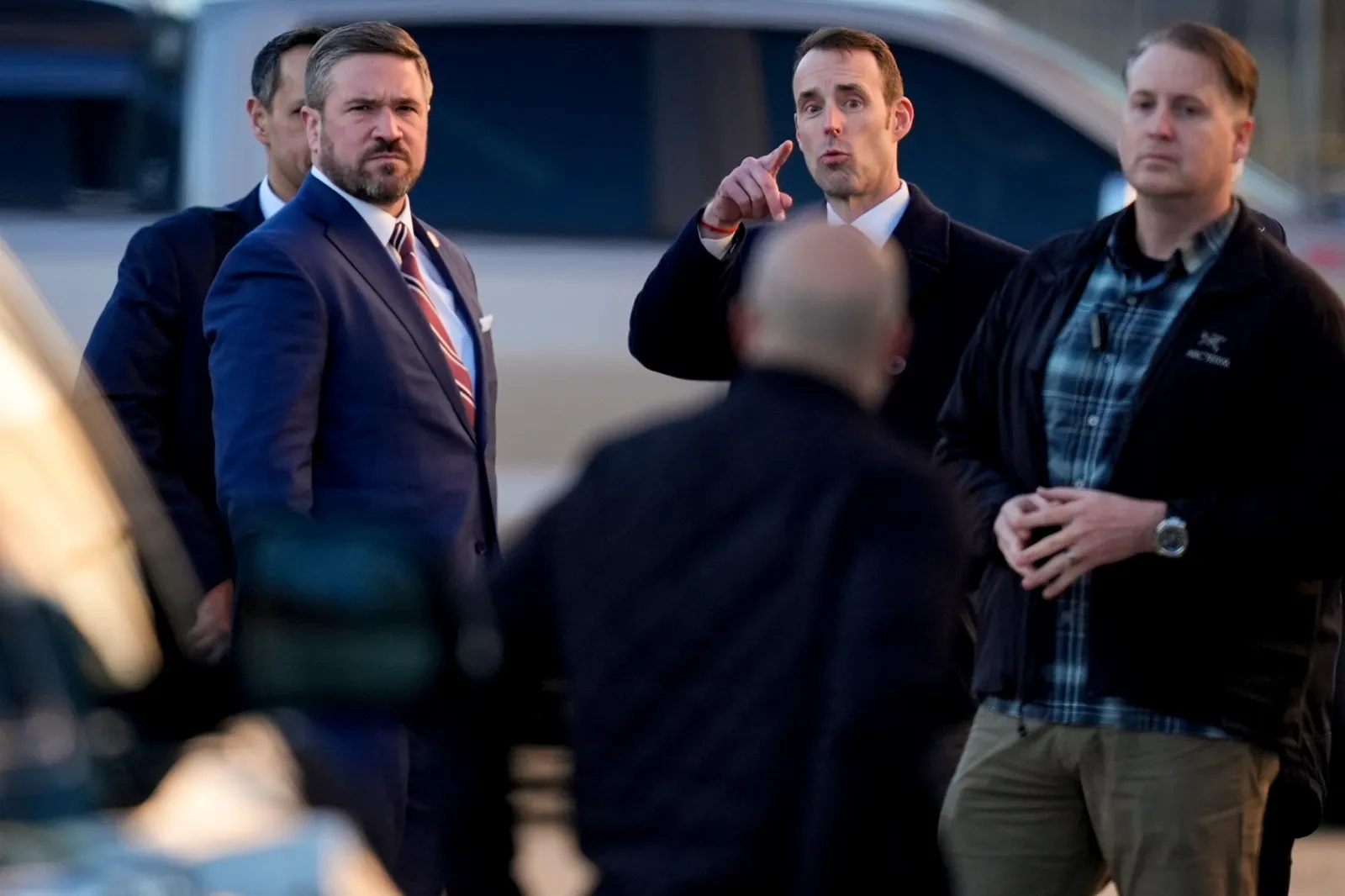 PoliticsFulton County Challenges FBI Seizure Of 2020 Georgia Election Records4 min read
Trending
 IRSTax Refund Update on Extra $1,000 for 100 Million American Families5 min read
 TaxesSome Americans Eligible for Thousands in Tax Refund After Court Ruling5 min read
 TaxesMillions of Americans Urged To Review Tax Credits4 min read
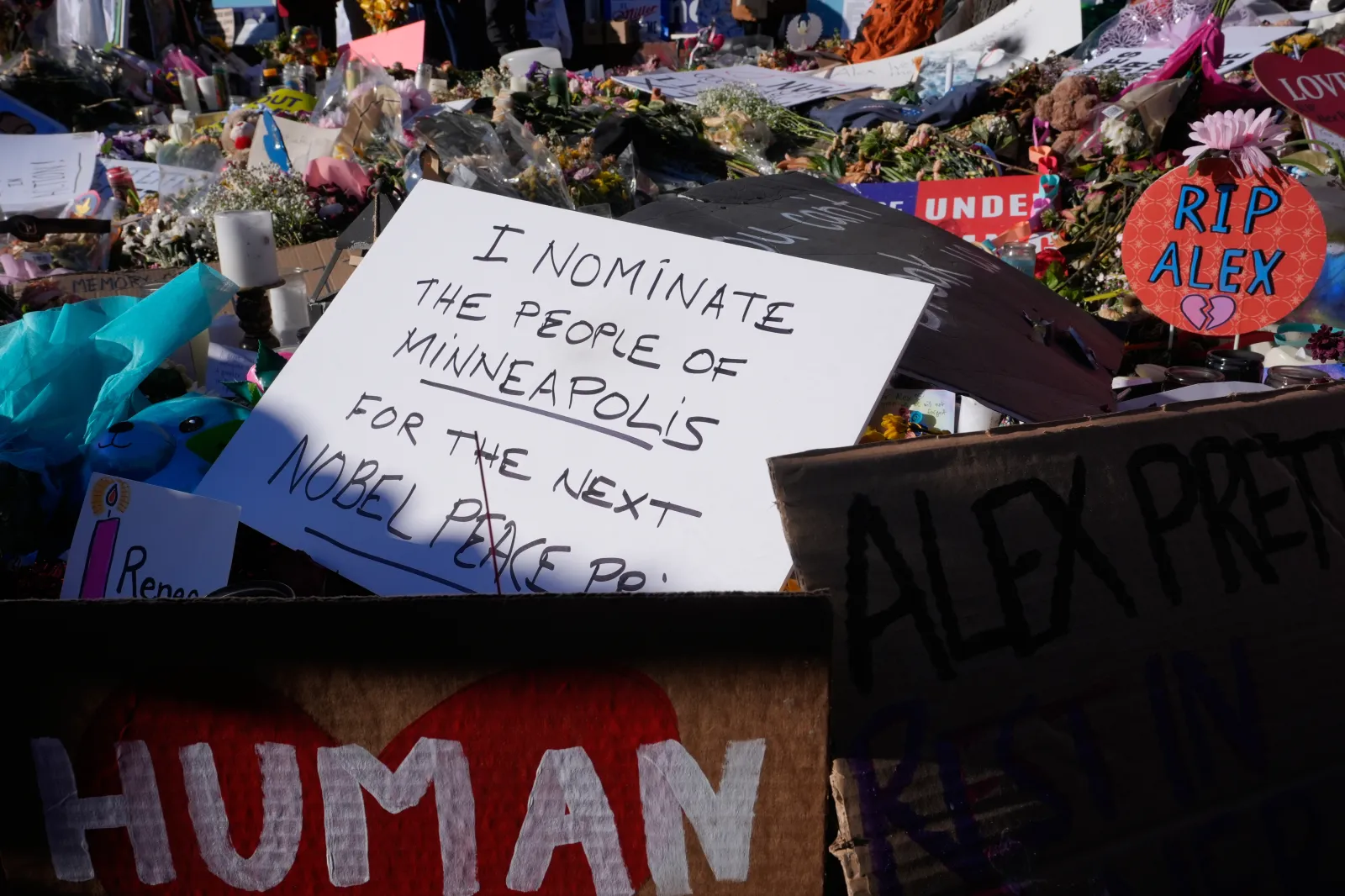 Nobel Peace PrizeMinneapolis Nominated for Nobel Peace Prize After Anti-ICE Protests6 min read
 TexasWho Is Chad Michael Watts? Man In MAGA Hat Arrested After Schoolgirl Fight7 min read
Opinion
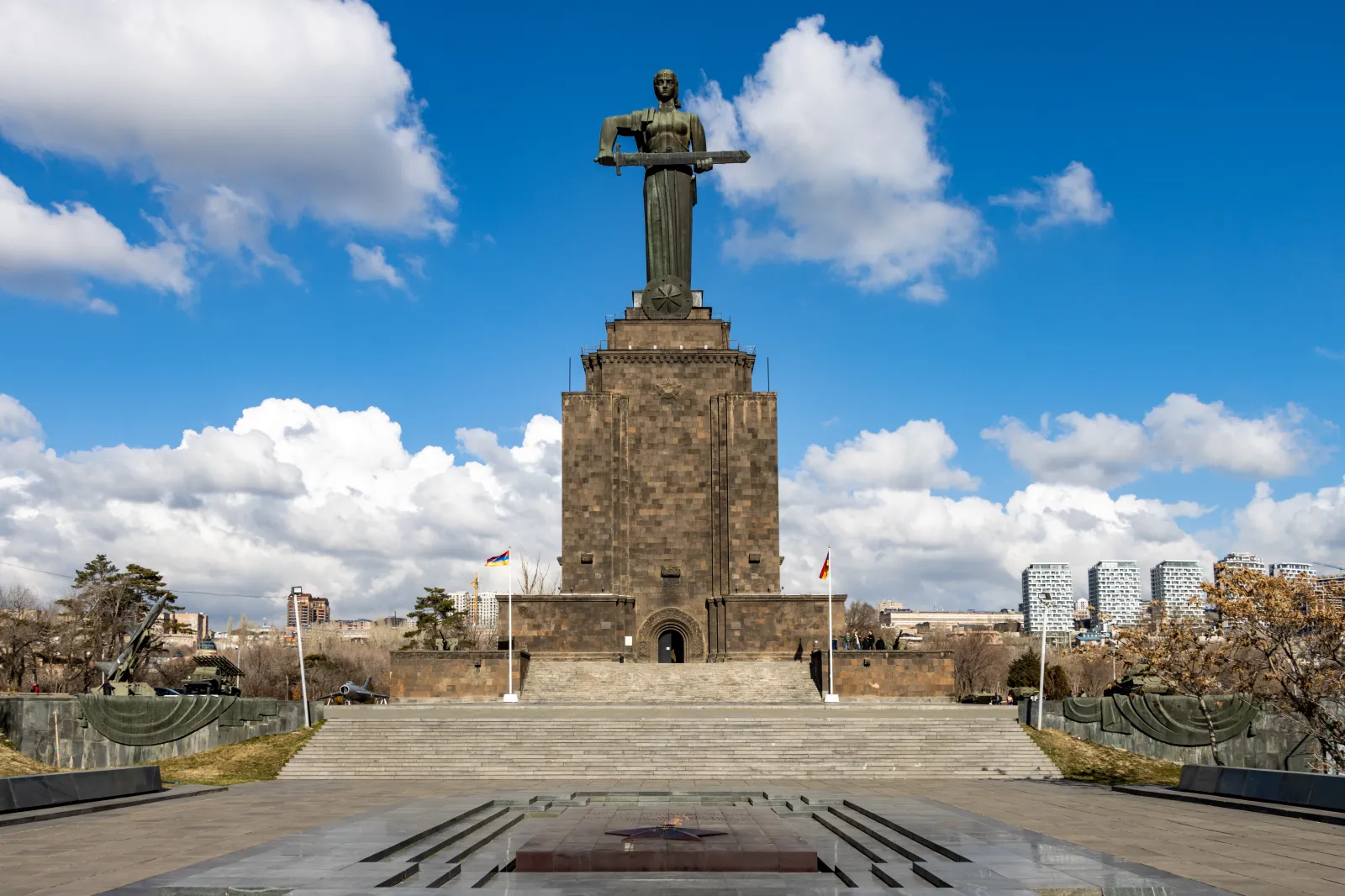 OpinionArmenia as a Bridge, Not a Battleground | Opinion5 min read
 OpinionAmerica Wants to Lead in Crypto. The Risk Reality Is More Complicated | Opinion4 min read
 For MembersOpinionConventional Wisdom: The Shutdown Averted Edition4 min read
 OpinionPortland Mayor: Hold the Course To Stop ICE | Opinion5 min read
 OpinionDon Lemon Arrest Signals Danger for Press Freedom | Opinion5 min read