- Health
- Viruses, Infections & Disease
- Cancer
In December 1954, Gertrude Elion and colleagues described a new compound they had developed that sent children with leukemia into remission. It would guide a new approach to "rational drug design."
0 Comments Join the conversationWhen you purchase through links on our site, we may earn an affiliate commission. Here’s how it works.
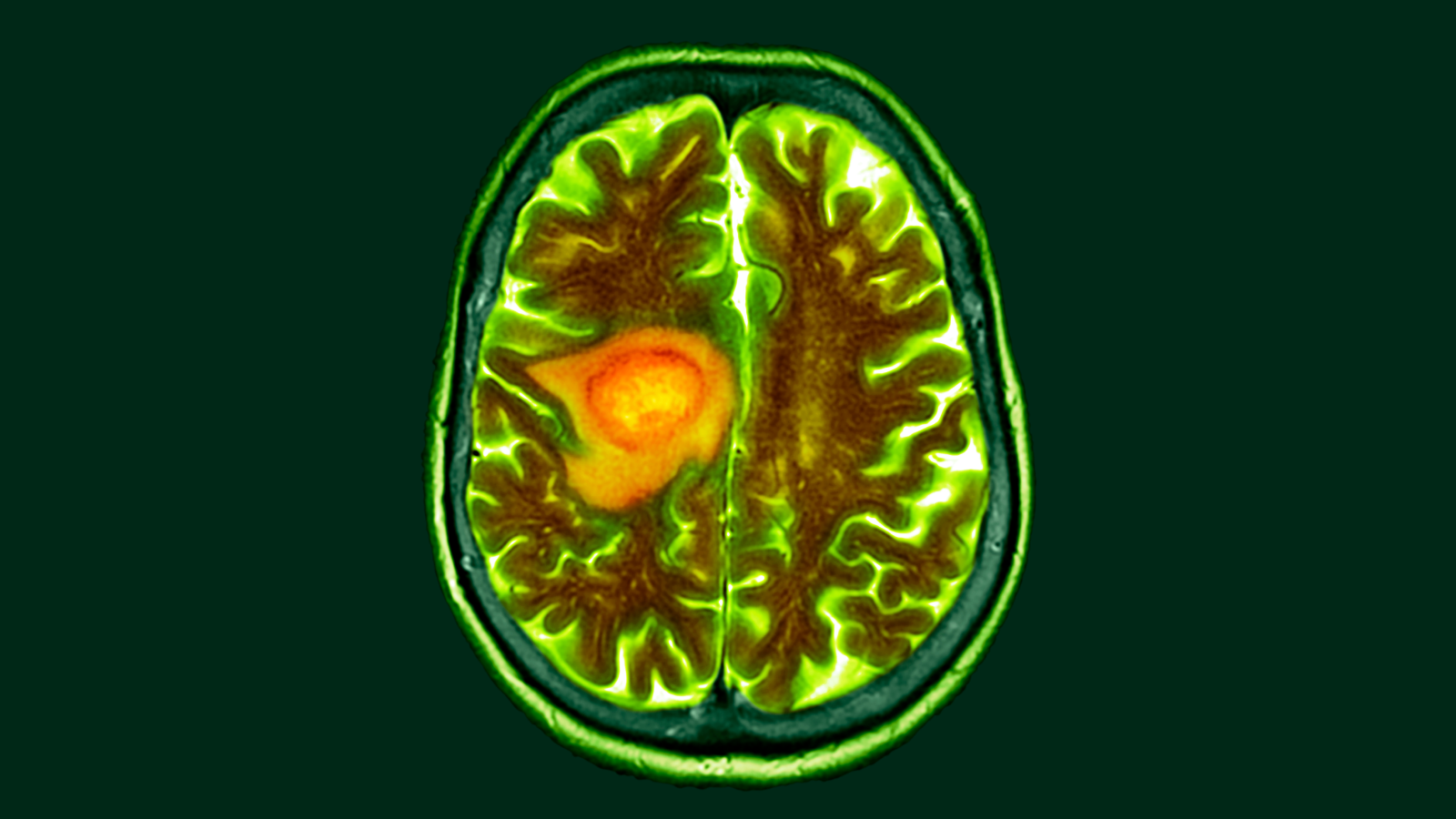
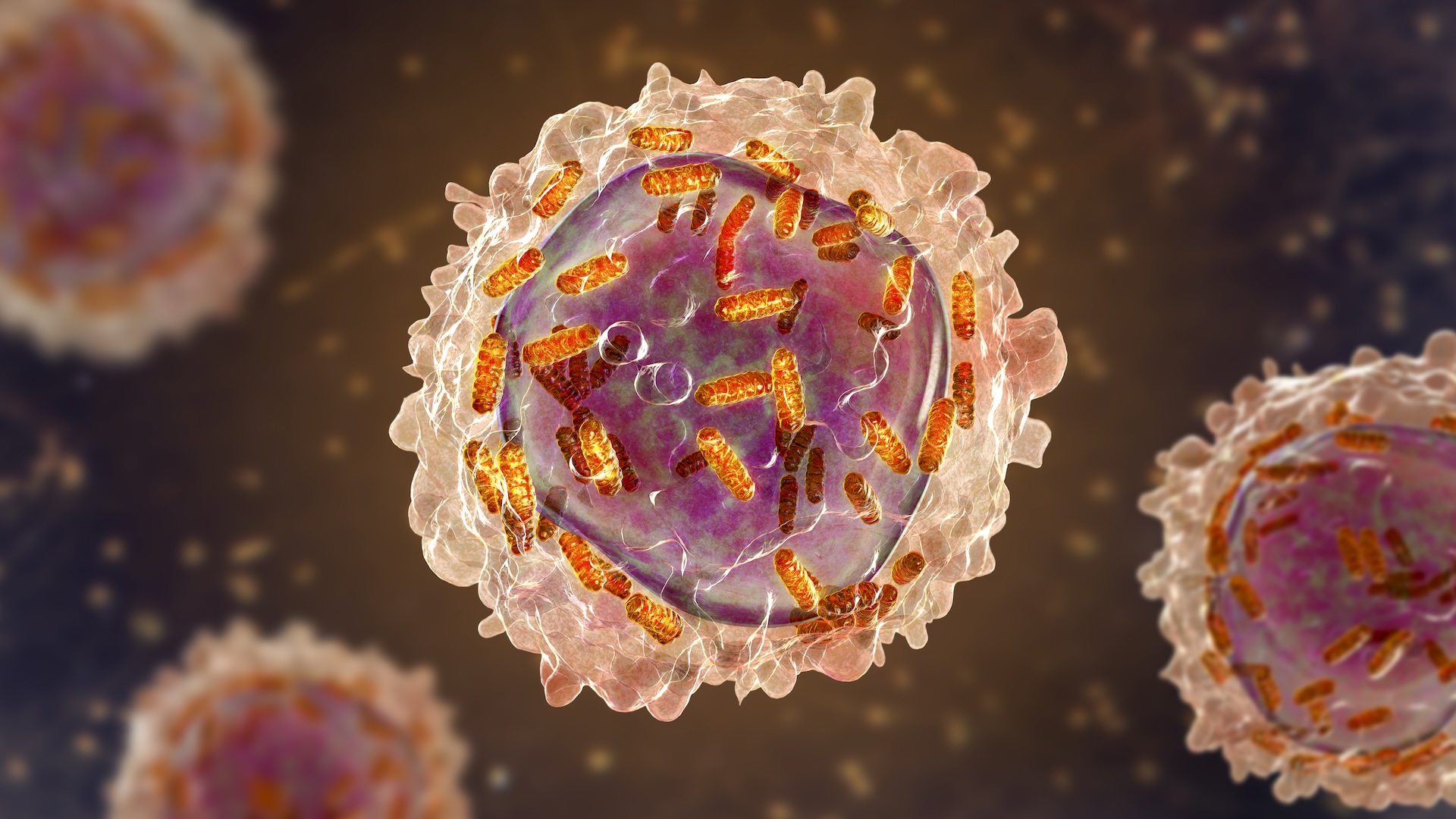 Elion and Hitchings helped discover the drug mercaptopurine, which sent some children with acute leukemia into remission, buying them precious weeks or months.
(Image credit: KATERYNA KON/SCIENCE PHOTO LIBRARY/Getty Images)
Elion and Hitchings helped discover the drug mercaptopurine, which sent some children with acute leukemia into remission, buying them precious weeks or months.
(Image credit: KATERYNA KON/SCIENCE PHOTO LIBRARY/Getty Images)
Milestone: Chemotherapy agent sends leukemia into remission
Date: Dec. 6, 1954
Where: Sloan Kettering Institute and Weill Cornell Medical College in New York
Who: Gertrude Elion and colleagues
In 1954, researchers described a new drug that sent children with acute leukemia into remission. It would become one of the first chemotherapy drugs and would later form the basis for a new, "rational" approach to designing drugs.
But by 1944, she had found a job in the lab of George Hitchings at the Burroughs-Wellcome pharmaceutical company (now GSK). Hitchings was developing a novel way to make new drugs that eschewed the trial-and-error approach that had previously dominated drug design.
You may like-
 Alexander Fleming wakes up to funny mold in his petri dish, and accidentally discovers the first antibiotic — Sept. 28, 1928
-
 A tragic gene therapy death that stalled the field for a decade — Sept. 17, 1999
-
 Science history: Scientists use 'click chemistry' to watch molecules in living organisms — Oct. 23, 2007
"One of the deciding factors may have been that my grandfather, whom I loved dearly, died of cancer when I was 15. I was highly motivated to do something that might eventually lead to a cure for this terrible disease," Elion wrote in 1988.
Hitchings and Elion reasoned that, because all living cells need nucleic acids, which make up DNA, to reproduce, then fast-growing cells, like invasive bacteria and tumor cells, would need even more of these compounds to fuel their insatiable growth. So, they rationalized, finding compounds that inhibit the synthesis of nucleic acids could squelch cancer growth.
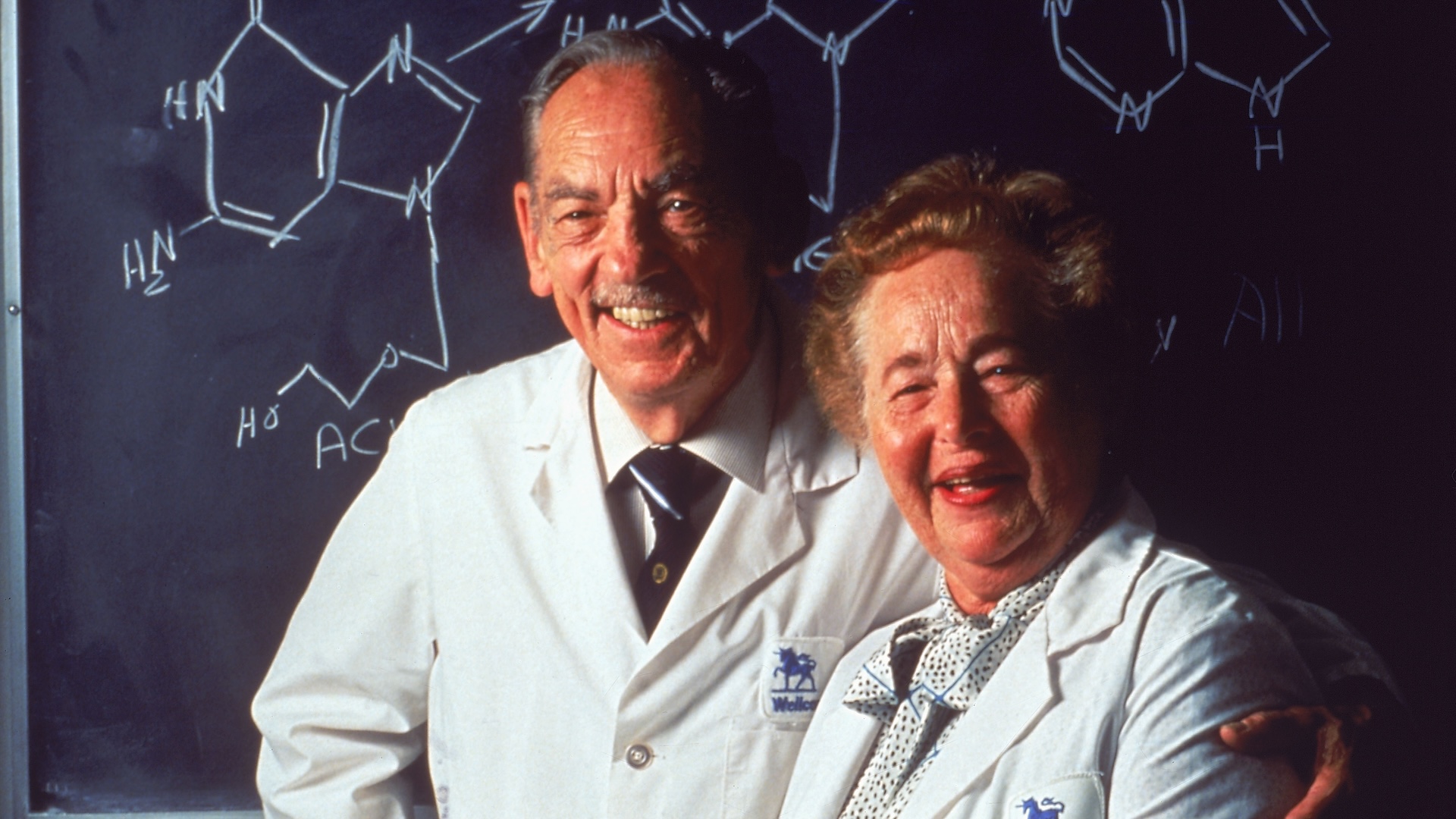
In 1950, when Elion was 32, the team discovered a compound derived from purine, called 6-mercaptopurine (6-MP), which could inhibit the growth of both bacterial cells and leukemia cells in a lab dish. Over the next two years, they tested the drug in tumors in animals, finding that it slowed tumor growth. In 1952, researchers began trials in 107 patients with various types of cancer, including 45 children and 18 adults with acute leukemia. Prior to this, there was no good treatment for these children, who would usually die months after their diagnosis.
There had been a few earlier chemotherapy drugs, but many were based on highly toxic compounds, such as war gases. By contrast, the children who took 6-MP seemed to tolerate it fairly well, and 15 children went into complete remission for a few weeks to a few months. It wasn't a huge increase, but it was more than had been possible before. Elion was elated when the children got better, and crushed when they got sick again.
Sign up for the Live Science daily newsletter nowContact me with news and offers from other Future brandsReceive email from us on behalf of our trusted partners or sponsorsBy submitting your information you agree to the Terms & Conditions and Privacy Policy and are aged 16 or over.Hitchings and Elion were determined to pursue other, related compounds that could create a more durable remission. In the late 1950s, they hit upon a regimen that combined methotrexate — another chemotherapy drug, developed by Dr. Jane Wright and colleagues — with 6-MP to create a longer-lasting, stable remission in some kids with acute leukemia.
Over a decades-long career, Elion would go on to develop many more drugs, including azathioprine, a rheumatoid arthritis and transplant anti-rejection drug; acyclovir, an antiviral that treats genital herpes, chickenpox and shingles; and AZT, the first drug that worked against HIV/AIDS. In 1988, she earned the Nobel Prize in physiology or medicine, along with Hitchings and James Black for her work on "important principles in drug design," including her work on 6-MP.
TOPICS On this day in science history Tia GhoseSocial Links NavigationEditor-in-Chief (Premium)
Tia is the editor-in-chief (premium) and was formerly managing editor and senior writer for Live Science. Her work has appeared in Scientific American, Wired.com, Science News and other outlets. She holds a master's degree in bioengineering from the University of Washington, a graduate certificate in science writing from UC Santa Cruz and a bachelor's degree in mechanical engineering from the University of Texas at Austin. Tia was part of a team at the Milwaukee Journal Sentinel that published the Empty Cradles series on preterm births, which won multiple awards, including the 2012 Casey Medal for Meritorious Journalism.
You must confirm your public display name before commenting
Please logout and then login again, you will then be prompted to enter your display name.
Logout Read more Alexander Fleming wakes up to funny mold in his petri dish, and accidentally discovers the first antibiotic — Sept. 28, 1928
 A tragic gene therapy death that stalled the field for a decade — Sept. 17, 1999
 Science history: Scientists use 'click chemistry' to watch molecules in living organisms — Oct. 23, 2007
 Chemo hurts both cancerous and healthy cells. But scientists think nanoparticles could help fix that.
 Breakthrough cystic fibrosis drug that extends life by decades earns its developers a $250,000 'American Nobel'
 'Chemo brain' may stem from damage to the brain's drainage system
Latest in Cancer
'Chemo brain' may stem from damage to the brain's drainage system
Latest in Cancer
 High-fiber diet may 'rejuvenate' immune cells that fight cancer, study finds
'Chemo brain' may stem from damage to the brain's drainage system
High-fiber diet may 'rejuvenate' immune cells that fight cancer, study finds
'Chemo brain' may stem from damage to the brain's drainage system
 COVID-19 mRNA vaccines can trigger the immune system to recognize and kill cancer, research finds
 Could simple blood tests identify cancer earlier?
 HPV vaccination drives cervical cancer rates down in both vaccinated and unvaccinated people
 Diet change could make brain cancer easier to treat, early study hints
Latest in Features
Science history: Female chemist initially barred from research helps helps develop drug for remarkable-but-short-lived recovery in children with leukemia — Dec. 6, 1954
Diet change could make brain cancer easier to treat, early study hints
Latest in Features
Science history: Female chemist initially barred from research helps helps develop drug for remarkable-but-short-lived recovery in children with leukemia — Dec. 6, 1954
 A woman got a rare parasitic lung infection after eating raw frogs
 Science history: Computer scientist lays out 'Moore's law,' guiding chip design for a half century — Dec. 2, 1964
 'Intelligence comes at a price, and for many species, the benefits just aren't worth it': A neuroscientist's take on how human intellect evolved
 Scientists map the shape of a supernova for the first time ever: Space photo of the week
 Trio of 'black mesas' leftover from Paleozoic era spawn rare sand dunes in the Sahara
LATEST ARTICLES
Trio of 'black mesas' leftover from Paleozoic era spawn rare sand dunes in the Sahara
LATEST ARTICLES 1Science news this week: A human population isolated for 100,000 years, the biggest spinning structure in the universe, and a pit full of skulls
- 2CDC panel, stuffed with vaccine skeptics, votes to end recommendation for universal newborn hepatitis B vaccination
- 3Giant sunspot on par with the one that birthed the Carrington Event has appeared on the sun — and it's pointed right at Earth
- 4A huge helium shortage is looming — but ancient rocks in Earth's crust may be hiding massive reservoirs
- 5New 'physics shortcut' lets laptops tackle quantum problems once reserved for supercomputers and AI