
- Physics & Mathematics
- Mathematics
A new mathematical equation describes the distribution of different fragment sizes when an object breaks. Remarkably, the distribution is the same for everything from bubbles to spaghetti.
1 Comment Join the conversationWhen you purchase through links on our site, we may earn an affiliate commission. Here’s how it works.
 From glass ornaments to dry spaghetti, almost everything on Earth that shatters follows certain principles of randomness and entropy, a new study finds.
(Image credit: Getty Images)
From glass ornaments to dry spaghetti, almost everything on Earth that shatters follows certain principles of randomness and entropy, a new study finds.
(Image credit: Getty Images)
A dropped vase, a crushed sugar cube and an exploding bubble all have something in common: They break apart in similar ways, a new mathematical equation reveals.
A French scientist recently discovered the mathematical equation, which describes the size distribution of fragments that form when something shatters. The equation applies to a variety of materials, including solids, liquids and gas bubbles, according to a new study, published Nov. 26 in the journal Physical Review Letters.
Though cracks spread through an object in often unpredictable ways, research has shown that the size distribution of the resulting fragments seems to be consistent, no matter what they're made of — you can always expect a certain ratio of larger fragments to smaller ones. Scientists suspected that this consistency pointed to something universal about the process of fragmenting.
You may like-
 Stalagmites adhere to a single mathematical rule, scientists discover
-
 What are the 'magic numbers' in nuclear physics?
-
 Plants self-organize in a 'hidden order,' echoing pattern found across nature
Rather than focusing on how fragments form, Emmanuel Villermaux, a physicist at Aix-Marseille University in France, studied the fragments themselves. In the new study, Villermaux argued that fragmenting objects follow the principle of "maximal randomness." This principle suggests that the most likely fragmentation pattern is the messiest one — the one that maximizes entropy, or disorder.
Sign up for the Live Science daily newsletter nowContact me with news and offers from other Future brandsReceive email from us on behalf of our trusted partners or sponsorsBy submitting your information you agree to the Terms & Conditions and Privacy Policy and are aged 16 or over.—400-year-old physics mystery is cracked
—Scientists figured out how to make ceramics that bend and mush instead of shattering
—Frozen droplets explode on camera, for science
Ferenc Kun, a physicist at the University of Debrecen in Hungary, told New Scientist that understanding fragmentation could help scientists determine how energy is spent on shattering ore in industrial mining or how to prepare for rockfalls.
Future work could involve determining the smallest possible size a fragment could have, Villermaux told New Scientist.
It's also possible that the shapes of different fragments could follow a similar relationship, Kun wrote in an accompanying viewpoint article.
 Skyler WareSocial Links NavigationLive Science Contributor
Skyler Ware is a freelance science journalist covering chemistry, biology, paleontology and Earth science. She was a 2023 AAAS Mass Media Science and Engineering Fellow at Science News. Her work has also appeared in Science News Explores, ZME Science and Chembites, among others. Skyler has a Ph.D. in chemistry from Caltech.
You must confirm your public display name before commenting
Please logout and then login again, you will then be prompted to enter your display name.
Logout Read more Stalagmites adhere to a single mathematical rule, scientists discover
 What are the 'magic numbers' in nuclear physics?
 Plants self-organize in a 'hidden order,' echoing pattern found across nature
 For the first time, physicists peer inside the nucleus of a molecule using electrons as a probe
 Physicists find a loophole in Heisenberg’s uncertainty principle without breaking it
 Why does boiling water have bubbles, except in a microwave?
Latest in Mathematics
Why does boiling water have bubbles, except in a microwave?
Latest in Mathematics
 Science history: Russian mathematician quietly publishes paper — and solves one of the most famous unsolved conjectures in mathematics — Nov. 11, 2002
 Mathematicians discover a completely new way to find prime numbers
 'Alien's language' problem that stumped mathematicians for decades may finally be close to a solution
 When was math invented?
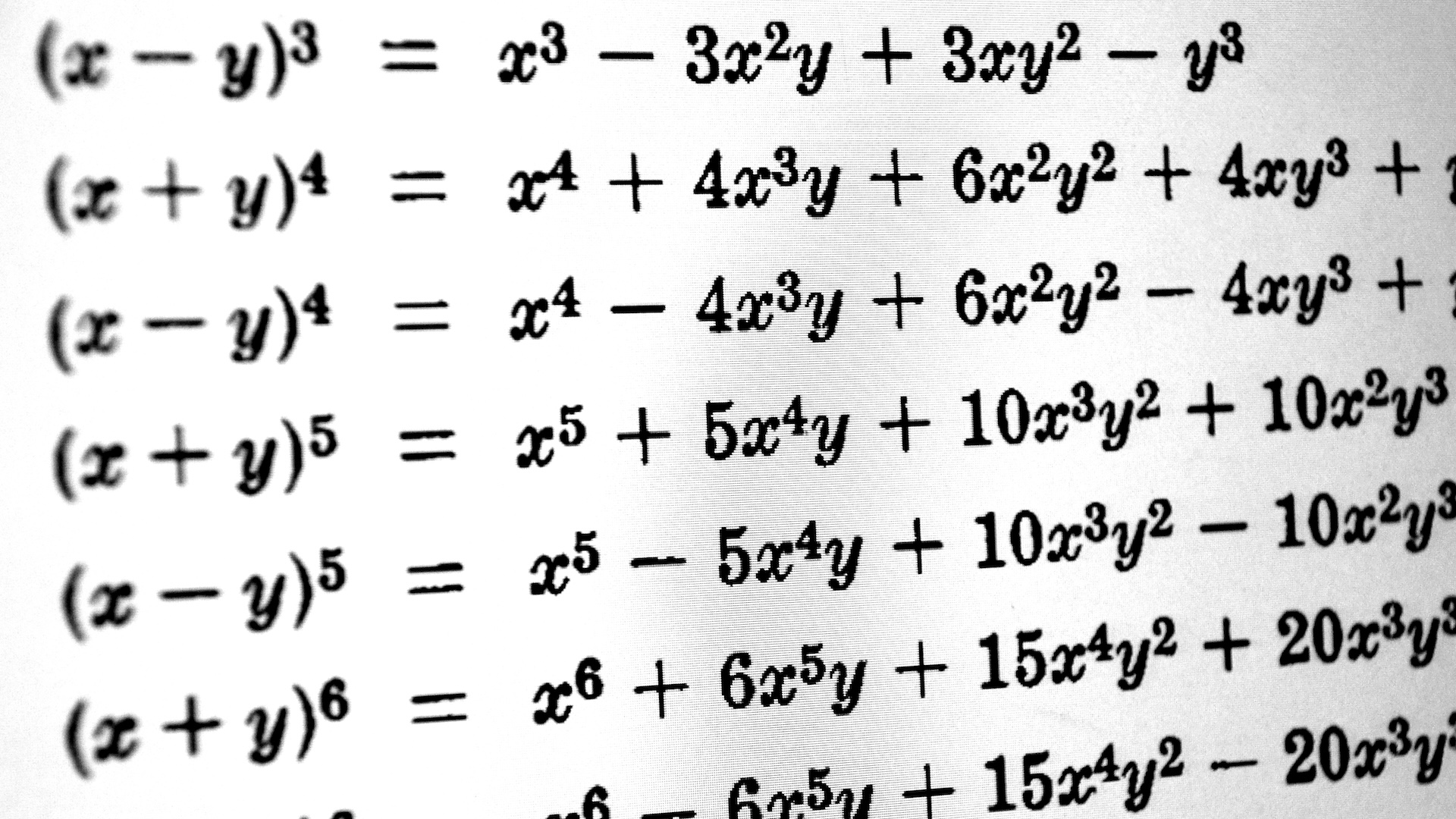 Mathematicians devise new way to solve devilishly difficult algebra equations
 Mathematicians just solved a 125-year-old problem, uniting 3 theories in physics
Latest in News
Mathematicians just solved a 125-year-old problem, uniting 3 theories in physics
Latest in News
 Gray hair may have evolved as a protection against cancer, study hints
 How to find the 'Christmas Star' — and what it really is
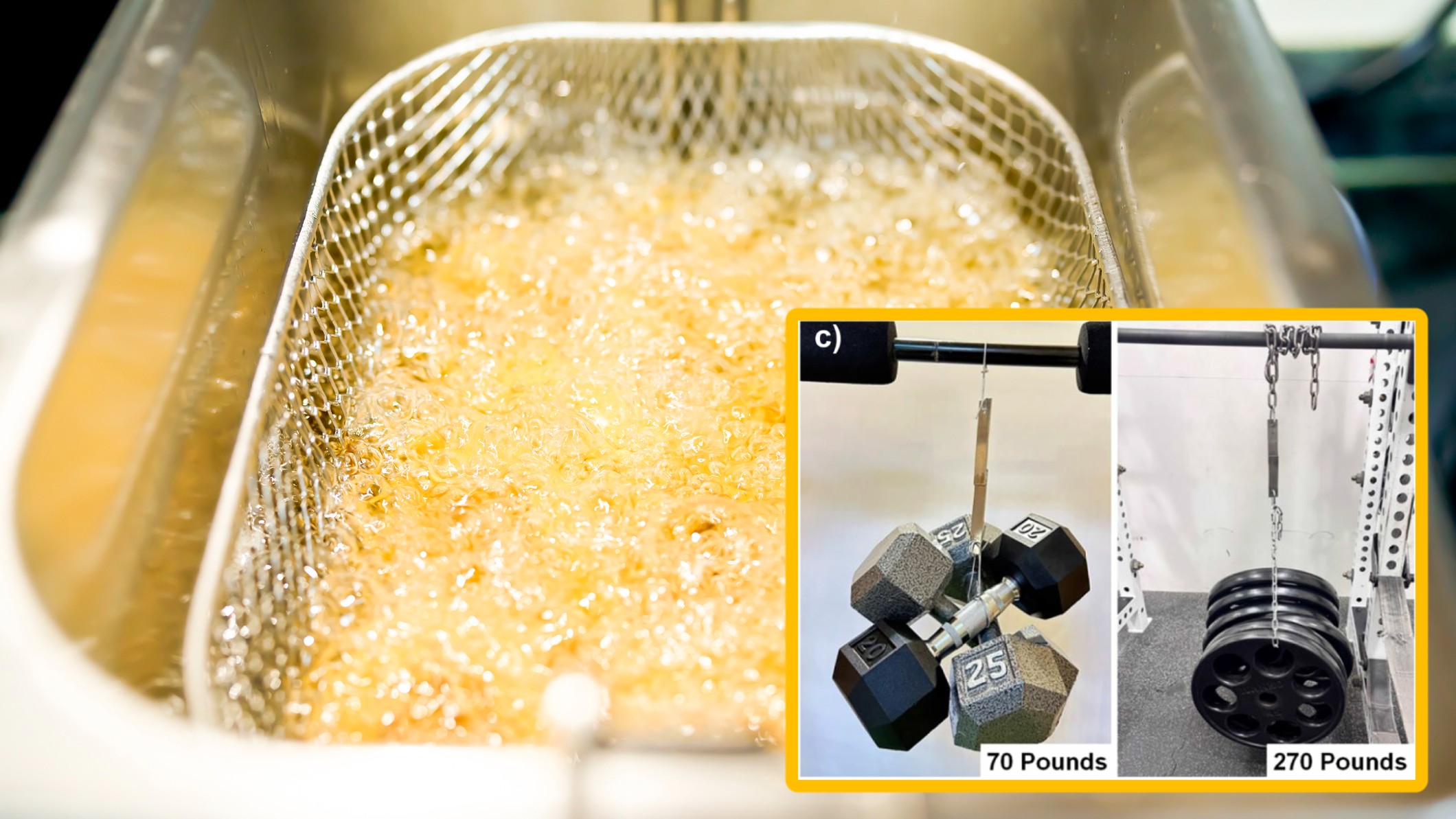 Glue strong enough to tow a car made from used cooking oil
 Historic search for 'huge missing piece' of the universe turns up negative — but reveals new secrets of particle physics
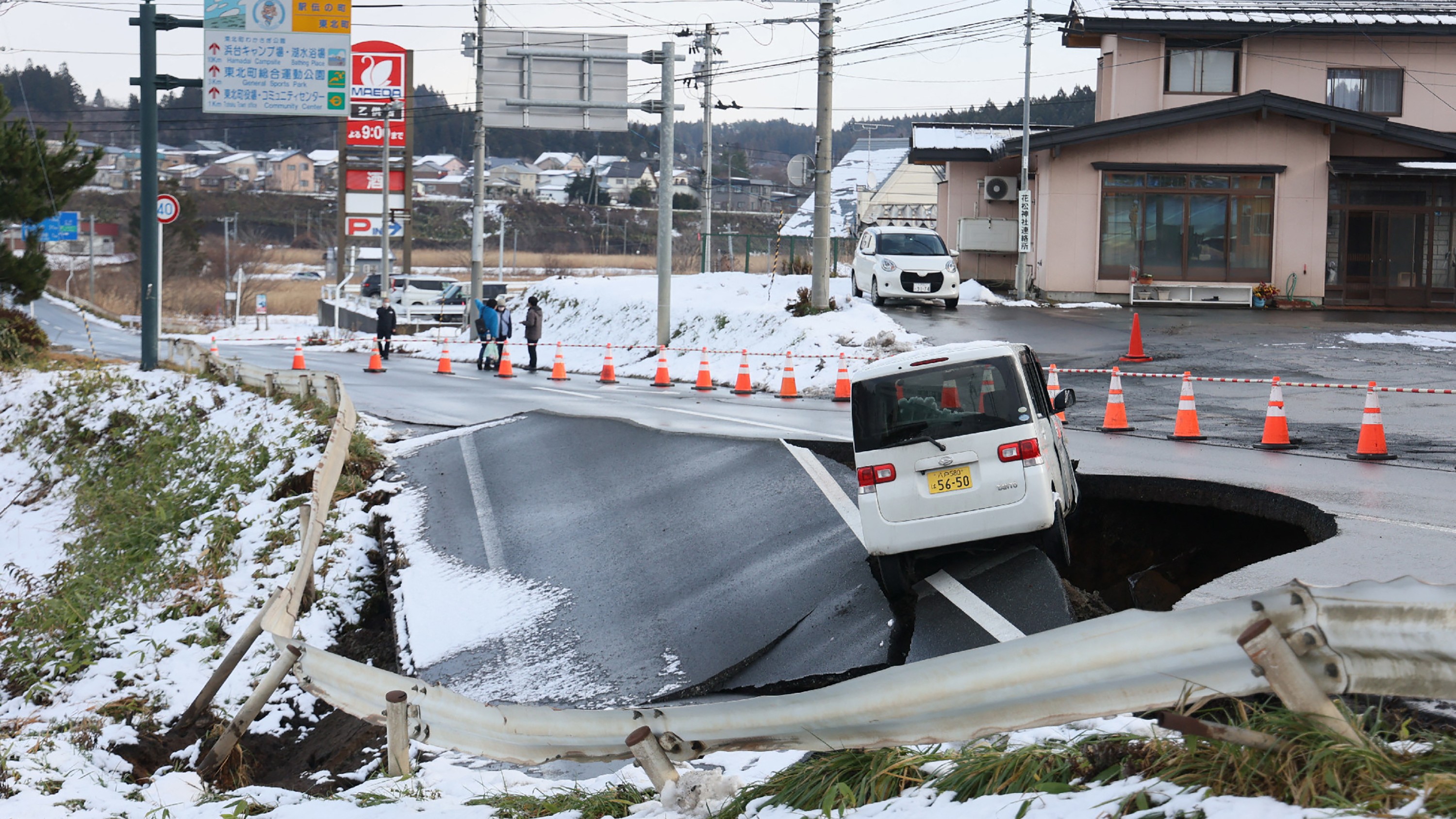 Today's biggest science news: Japan earthquake | Robot kicks CEO | Northern Lights forecast
 The 'hobbits' may have died out when drought forced them to compete with modern humans, new research suggests
LATEST ARTICLES
The 'hobbits' may have died out when drought forced them to compete with modern humans, new research suggests
LATEST ARTICLES- 1Gray hair may have evolved as a protection against cancer, study hints
- 2Is the 'Star of Bethlehem' really a planet? A bright visitor this month may hold a clue.
- 3Rare 'sunglint' transforms Alabama River into a giant 'golden dragon' — Earth from space
- 4Glue strong enough to tow a car made from used cooking oil
- 5Historic search for 'huge missing piece' of the universe turns up negative — but reveals new secrets of particle physics