- Pro
What did CES reveal about what consumers now want from innovation?
When you purchase through links on our site, we may earn an affiliate commission. Here’s how it works.
 (Image credit: Shutterstock.com/13_Phunkod)
- Copy link
- X
- Threads
Sign up for breaking news, reviews, opinion, top tech deals, and more.
Contact me with news and offers from other Future brands Receive email from us on behalf of our trusted partners or sponsors By submitting your information you agree to the Terms & Conditions and Privacy Policy and are aged 16 or over.You are now subscribed
Your newsletter sign-up was successful
An account already exists for this email address, please log in. Subscribe to our newsletterThe new year often brings a lot of anticipation in the world of tech - it's that time of the year where discussions and predictions about new technology dominate conversations within the tech industry and its most avid customers.
The Consumer Electronics Show (CES) is one annual event that perfectly captures this anticipation. From robotic butlers to the most innovative product demos, it’s a moment designed to capture the imagination of the tech industry.
Qi PanSocial Links NavigationDirector of Computer Vision Engineering at Snap Inc.
Be it new product categories or ever-refined smart features on already beloved tech, CES makes headlines every year by showcasing the limitless potential of our industry - one that has grown exponentially as Artificial Intelligence (AI) becomes a more powerful tool for creativity and utility. However, this year saw tech exhibitors move away from proof-of-concept announcements and towards real-world applications.
You may like-
 AI hasn’t lived up to the hype – but can CES 2026 fix that?
-
 CES 2026 — What to expect
-
 The 11 biggest tech trends of 2026, according to CES 2026
It’s a change that will shape the coming year. Technology designed to wow and delight the public now needs to meet consumers where they are: adding practical value in their day-to-day lives.
Consumer appetite for innovative experiences like intelligent interfaces, Artificial Intelligence (AI) and Augmented Reality (AR) is strong. I see it every day - on our platform, more than 350 million people engage with AR every day on average and use AR lenses in our camera 8 billion times per day.
People are aware of how these technologies can be creative and entertaining. It’s now time to leave the experimentation to consumers. The job for tech companies is to integrate AI into their offerings to make devices truly useful, turning last year’s wow factor into everyday functionality.
Embedding intelligence
It may not be a surprise to hear that this functionality will be powered by AI. AI was the buzzword at CES, but it wasn’t the story in and of itself. Rather, it was woven into every new feature and product category.
Are you a pro? Subscribe to our newsletterContact me with news and offers from other Future brandsReceive email from us on behalf of our trusted partners or sponsorsBy submitting your information you agree to the Terms & Conditions and Privacy Policy and are aged 16 or over.For example - Google’s advanced integration of Gemini into its televisions promises to make TV watching conversational, with people altering volume, brightness and finding new shows through voice activation. Similarly, Samsung's Food Note fridge feature uses AI to provide a helping hand in the kitchen, with the device able to identify fresh produce on its shelves and provide updates on what’s running low.
Lego’s Smart Brick also used tech to bring intelligence into play, giving people a chance to bring builds to life with sounds, moods and programming.
Some call this ‘physical AI’. I think it’s better described as embedded intelligence - this is where innovative tech like AI and AR move beyond novelty to deliver practical, seamless experiences that enhance daily life. Smart devices become truly intelligent, conversational and intuitive.
You may like-
AI hasn’t lived up to the hype – but can CES 2026 fix that?
-
CES 2026 — What to expect
-
The 11 biggest tech trends of 2026, according to CES 2026
I’m particularly excited to see this come to life in wearable technologies. Consumers’ drive towards genuinely useful technology is pushing the industry to build devices that integrate effortlessly into our lives and feel natural.
Augmented Reality glasses like Spectacles, watches and AI-powered lapel pins subtly enhance people’s day-to-day, bringing the smartest applications of technology into the real world without impeding our experiences.
I think Augmented Reality (AR) is at the heart of this shift. Devices that bring the power of AI into our lives without disruption will become the presentation layer of our favorite apps - they will support our day-to-day lives by providing real time intelligence exactly when and where we need it.
Imagine AR glasses that help you understand the public transport options and directions for where you want to go just by walking out of your front door.
Some of the expo’s newest devices respond to natural gestures, voice requests and gaze rather than taps and swipes, allowing for hands-free experiences. The transition from phone-based to wearable, 3D experiences will spark entirely new business models, like AR shopping and virtual try-ons that feel intuitive rather than app-based.
Transforming connection
While CES showcased AI-powered pets and companions, the trend towards embedded AI also shows how new, tech-led experiences will become more social than ever before.
Wearable technology that allows people to participate in a shared, augmented reality can move the best of our innovations from isolated, single-user interactions to multi-user environments that can be enjoyed together.
Meanwhile, AI’s relative accessibility will empower people to be innovators themselves. In a keynote at the show, NVIDIA’s Jensen Huang predicted that we will see consumers programming and customizing robots for work and home.
As AI lowers the bar for creativity, more people can build, customize and share AR experiences without technical expertise, for functional uses (or even just to bring an inside joke or creative idea to life).
As embedded intelligence becomes the norm, the most successful products will be the ones we stop noticing altogether. Forget awe: consumers now want applied innovation. This means intelligence that makes their lives easier, more fun, and more connected. It seems the tech industry is plugging in to this idea.
We've featured the best AR apps.
This article was produced as part of TechRadarPro's Expert Insights channel where we feature the best and brightest minds in the technology industry today. The views expressed here are those of the author and are not necessarily those of TechRadarPro or Future plc. If you are interested in contributing find out more here: https://www.techradar.com/news/submit-your-story-to-techradar-pro
TOPICS AI Qi PanSocial Links NavigationQi Pan is Director of Computer Vision Engineering at Snap Inc.
View MoreYou must confirm your public display name before commenting
Please logout and then login again, you will then be prompted to enter your display name.
Logout Read more AI hasn’t lived up to the hype – but can CES 2026 fix that?
 CES 2026 — What to expect
 The 11 biggest tech trends of 2026, according to CES 2026
 'It's time to demand AI that is safe by design': What AI experts think will matter most in 2026
 CES 2026 live — everything that happened at the world's biggest tech show
 The biggest tech trends to expect in 2026
Latest in Pro
The biggest tech trends to expect in 2026
Latest in Pro
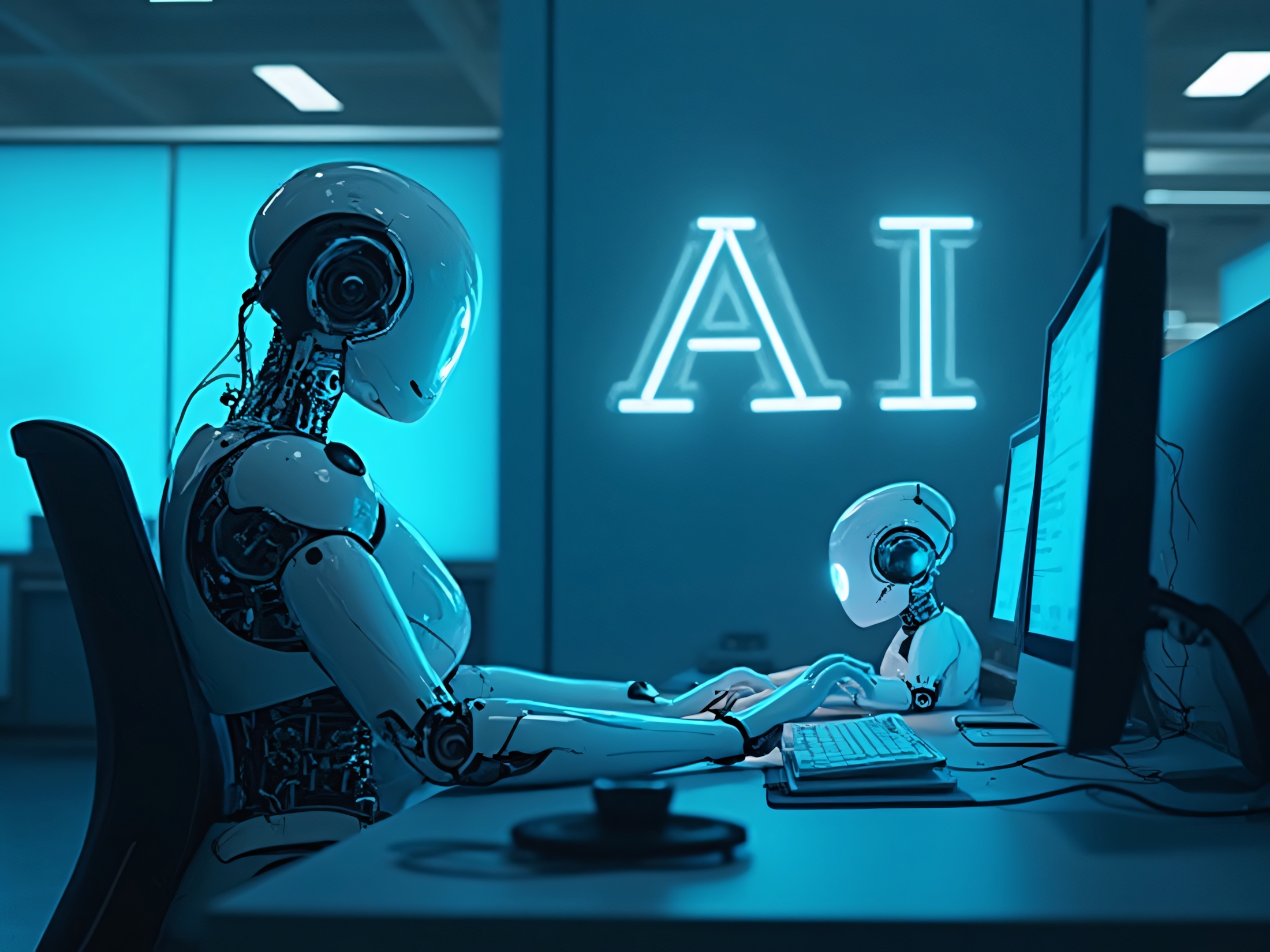 AI agents are about to make access control obsolete
 Linux users report Microsoft's Visual Studio Code Snap package isn't actually deleting files
 Zoom wants to make your whole office smarter in a bid to make meetings less painful
 HP CEO Enrique Lores quits in shock move, will take PayPal top job
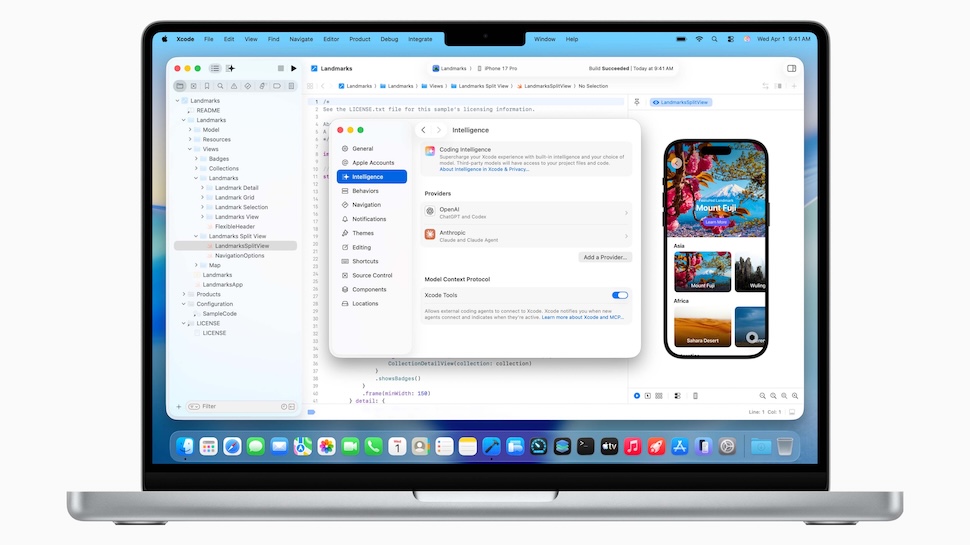 Apple launches Xcode 26.3, brings even more AI power to coding on Mac
 Adobe reverses decision to discontinue Animate, apologizes for 'confusion and angst within the community'
Latest in Opinion
CES is clear: People want tech to improve their everyday lives
Adobe reverses decision to discontinue Animate, apologizes for 'confusion and angst within the community'
Latest in Opinion
CES is clear: People want tech to improve their everyday lives
 Musk says AI compute will move to space — the timeline doesn’t add up
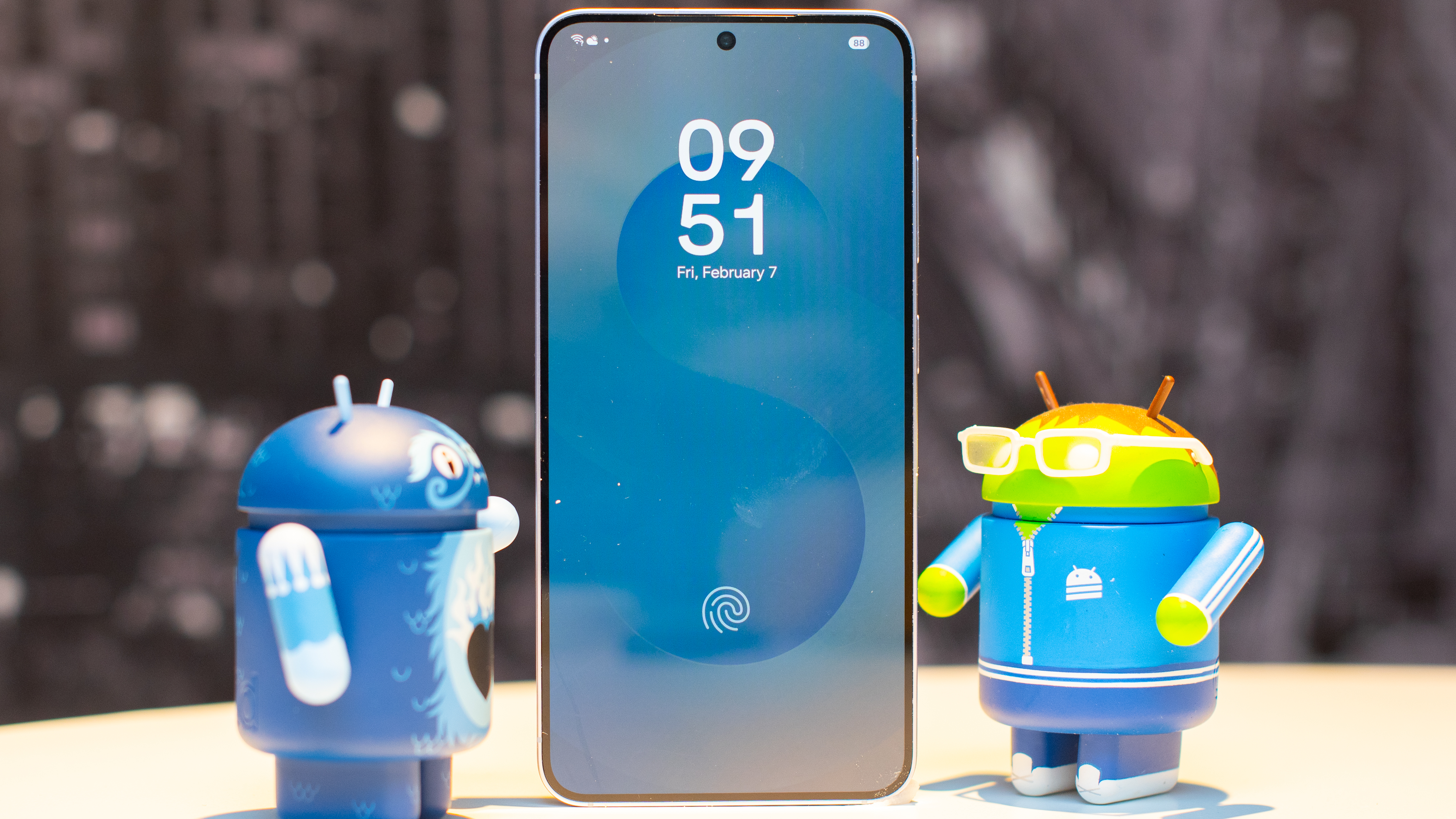 Don't buy a Galaxy S25 — trust me, you should wait for the Samsung Galaxy S26
 Dyson's new launches are proof that branching out isn't always a good thing
 Maia 200 points to a future where laptops aren’t held hostage by AI
 AI as the key to overcoming retail’s next challenge: achieving operational excellence
LATEST ARTICLES
AI as the key to overcoming retail’s next challenge: achieving operational excellence
LATEST ARTICLES- 1Linux users report Microsoft's Visual Studio Code Snap package isn't actually deleting files
- 2'Valve is on track to begin shipping its AMD-powered Steam Machine early this year': AMD's CEO says gaming PC remains on course — and I'm hopeful it could arrive in March
- 3Quordle hints and answers for Thursday, February 5 (game #1473)
- 4NYT Connections hints and answers for Thursday, February 5 (game #970)
- 5NYT Strands hints and answers for Thursday, February 5 (game #704)