- Archaeology
- Romans
A newfound mosaic draws inspiration from "Phrygians," a play by the Athenian playwright Aeschylus that survives only in bits and pieces.
0 Comments Join the conversationWhen you purchase through links on our site, we may earn an affiliate commission. Here’s how it works.
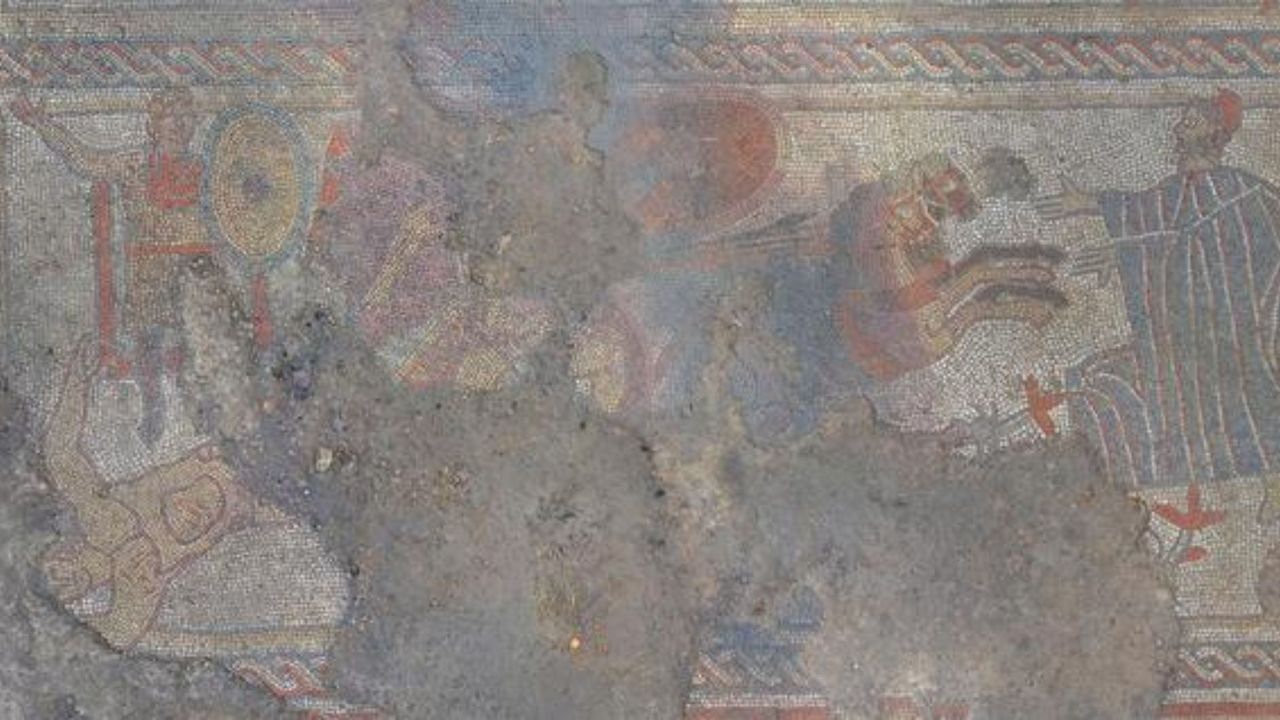
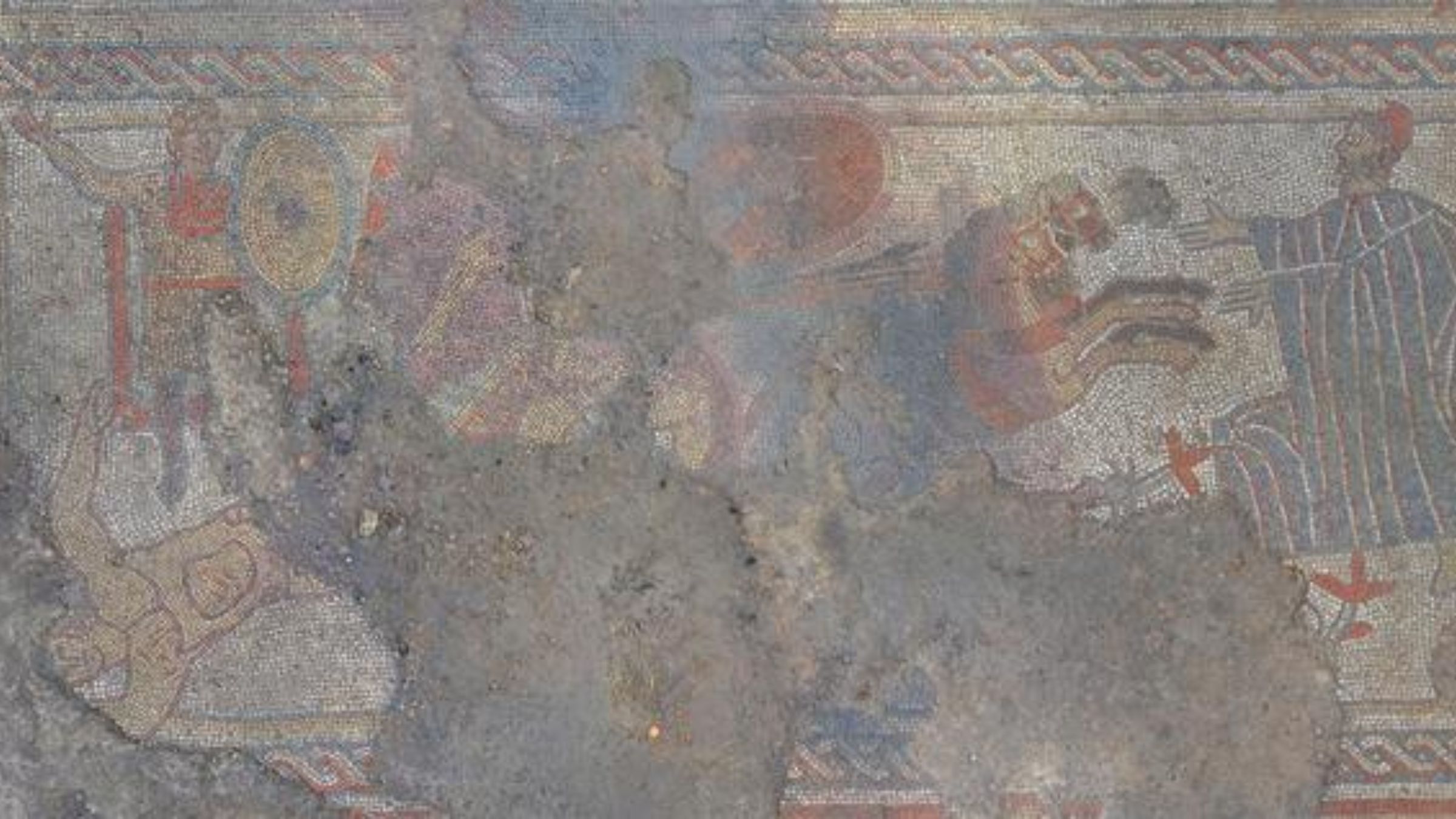 Achilles drags the body of Hector behind his chariot, while Hector's father Priam begs for mercy in a panel of the Ketton Mosaic.
(Image credit: ©ULAS)
Achilles drags the body of Hector behind his chariot, while Hector's father Priam begs for mercy in a panel of the Ketton Mosaic.
(Image credit: ©ULAS)
A Roman mosaic recently discovered in Britain depicts a long-lost version of the Trojan War story that differs from the most famous telling of the saga.
The artifact, known as the Ketton Mosaic, shows a key conflict during the Trojan War. But it is not based on Homer's "Iliad," the most enduring version of the tale, researchers reported in a new study. Instead, it was inspired by a more obscure tragedy by the Athenian playwright Aeschylus. Called "Phrygians," it was written in the early fifth century B.C. and survives today only in fragments and analyses discussed in other ancient works.
You may like-
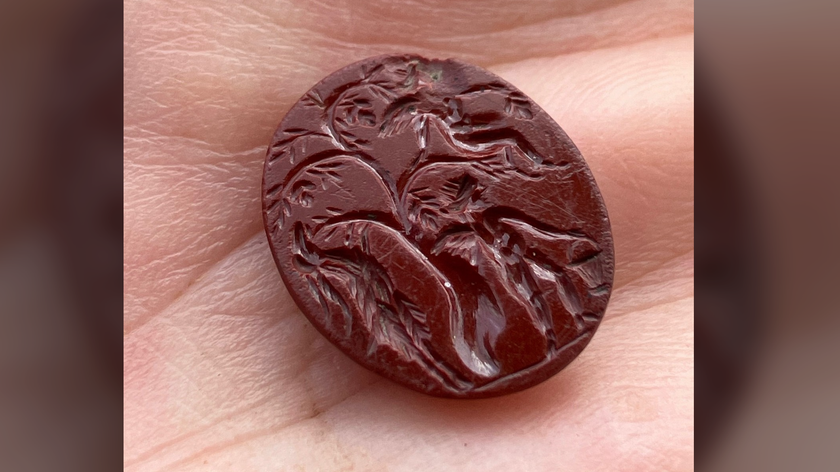 Archaeologists find 'unique' blood-red gemstone at Roman fort beyond Hadrian's Wall
-
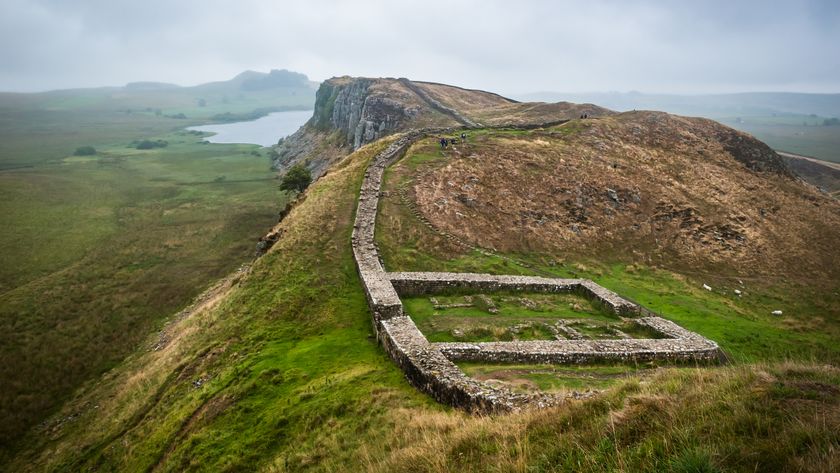 New discoveries at Hadrian's Wall are changing the picture of what life was like on the border of the Roman Empire
-
 1,900-year-old 'treasure' found in Roman-era family's scorched house in Romania
Measuring 33 feet by 17 feet (10 by 5.3 meters), the mosaic likely covered part of the floor of a triclinium, or dining room, in a large villa. The mosaic was in use by the fourth century A.D., but preliminary work suggests the villa may have been occupied even earlier.
In Homer's telling of the Trojan War, the Greeks spend 10 years fighting against the city of Troy, in what is now modern-day Turkey. According to the myth, Paris, a son of Troy's King Priam, abducted the beautiful queen Helen of Sparta, and the Greeks were fighting to get her back.
The mosaic shows three scenes from the conflict between the Greek hero Achilles and the Trojan prince Hector. In the first panel, the two duel after Hector kills Patroclus, a close companion and possible lover of Achilles. In the second, Achilles drags Hector's dead body behind his chariot. And in the third, Achilles ransoms Hector's body to his father, Priam, for his weight in gold.
Initially, researchers thought the mosaic depicted scenes as described in Homer's epic, the "Iliad." But upon closer examination, study first author Jane Masseglia, a historian at the University of Leicester, found that some of the details in the mosaic were inconsistent with Homer's version. In the new study, published Dec. 3 in the journal Britannia, Masseglia and her colleagues argue that the differences instead point to "Phrygians" as the inspiration for the imagery.
Sign up for the Live Science daily newsletter nowContact me with news and offers from other Future brandsReceive email from us on behalf of our trusted partners or sponsorsBy submitting your information you agree to the Terms & Conditions and Privacy Policy and are aged 16 or over.
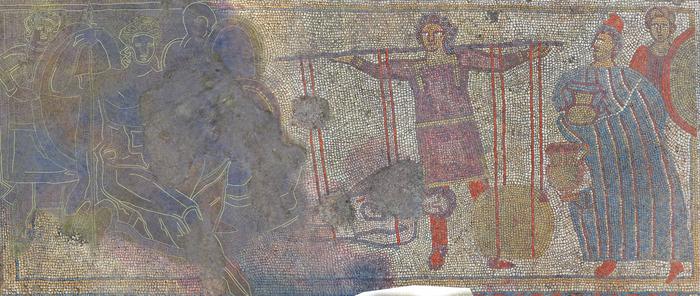
For example, in the "Iliad," Achilles explicitly says he will not accept gold as ransom for Hector's body. And in the mosaic, Achilles drags Hector's body around Patroclus' tomb, while in the "Iliad," he drags it around the walls of Troy. Fragments of "Phrygians" and of ancient scholars' analyses of the text, however, describe both events as they're depicted in the Ketton Mosaic. "Phrygians" is the only known retelling of the Trojan War to describe events this way.
The art style offered further clues about the mosaic's inspiration. "In the Ketton Mosaic, not only have we got scenes telling the Aeschylus version of the story, but the top panel is actually based on a design used on a Greek pot that dates from the time of Aeschylus, 800 years before the mosaic was laid," Masseglia said in the statement.
Other parts of the mosaic also had designs from more ancient times, she noted.
RELATED STORIES—How we found Britain's only known Roman mosaic of the Trojan War
—Ancient Mycenaean armor is so good, it protected users in an 11-hour battle simulation inspired by the Trojan War
—Depiction of Trojan War hero Ajax found in 1,800-year-old submerged building in Greece
"I found other parts of the mosaic were based on designs that we can see in much older silverware, coins and pottery, from Greece, Turkey, and Gaul," Masseglia said.
The findings suggest close cultural relationships between Romans in Britain and the rest of the classical world, the authors wrote in the study.
"Romano-British craftspeople weren't isolated from the rest of the ancient world, but were part of this wider network of trades passing their pattern catalogues down the generations," Masseglia added. "At Ketton, we've got Roman British craftsmanship but a Mediterranean heritage of design."
Roman Britain quiz: What do you know about the Empire's conquest of the British Isles?
 Skyler WareSocial Links NavigationLive Science Contributor
Skyler Ware is a freelance science journalist covering chemistry, biology, paleontology and Earth science. She was a 2023 AAAS Mass Media Science and Engineering Fellow at Science News. Her work has also appeared in Science News Explores, ZME Science and Chembites, among others. Skyler has a Ph.D. in chemistry from Caltech.
You must confirm your public display name before commenting
Please logout and then login again, you will then be prompted to enter your display name.
Logout Read more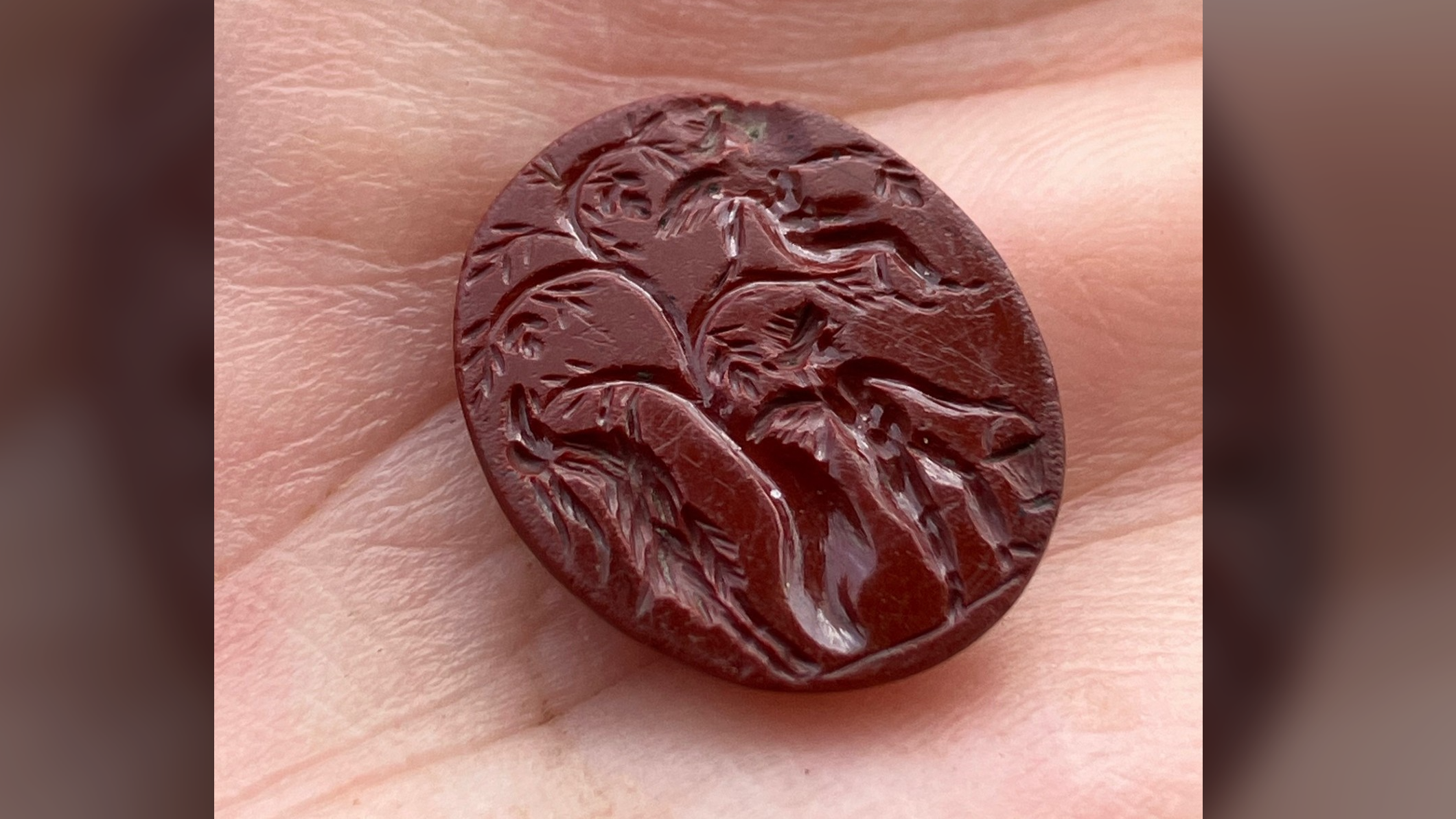 Archaeologists find 'unique' blood-red gemstone at Roman fort beyond Hadrian's Wall
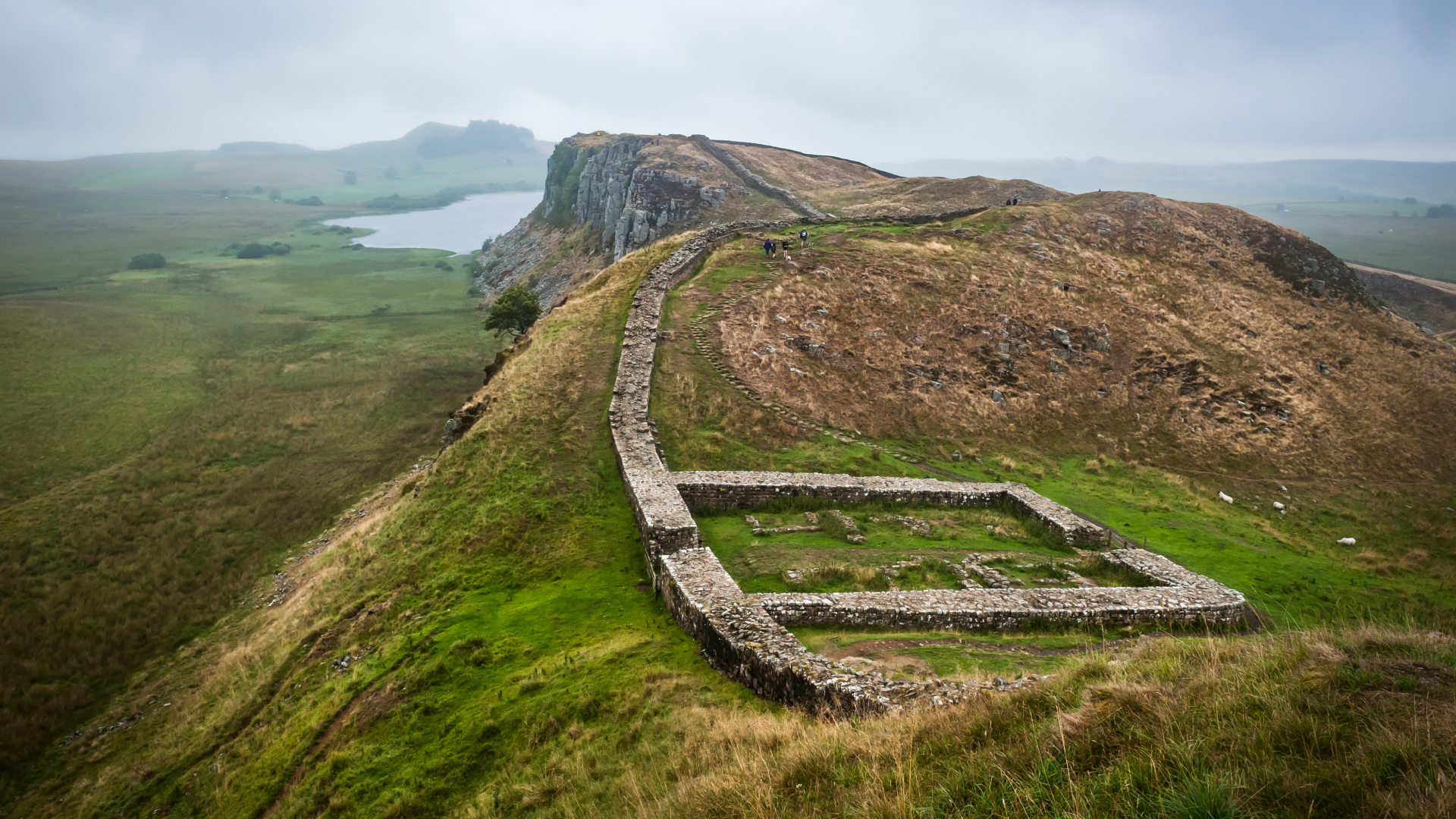 New discoveries at Hadrian's Wall are changing the picture of what life was like on the border of the Roman Empire
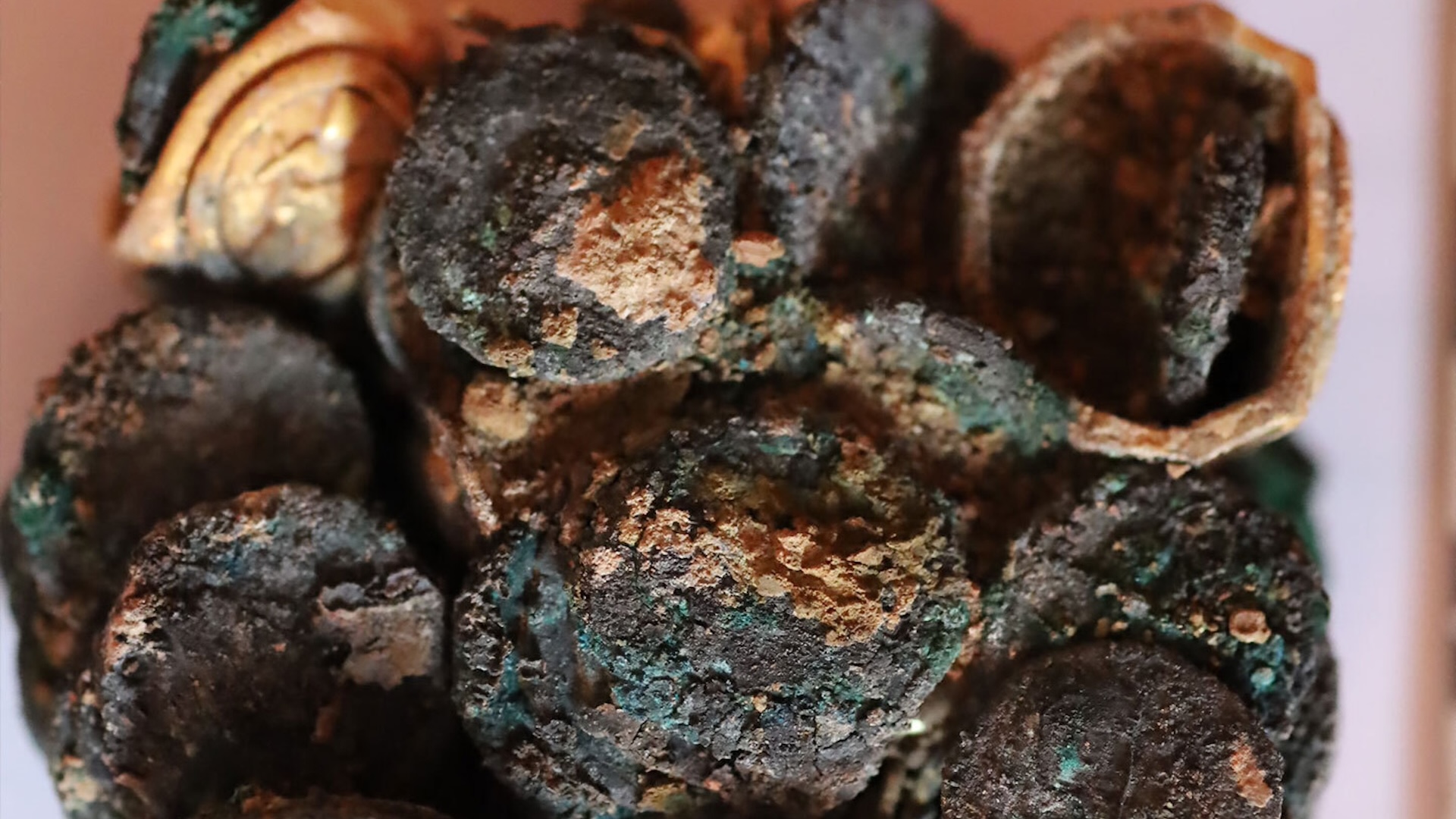 1,900-year-old 'treasure' found in Roman-era family's scorched house in Romania
 Ancient Roman tombstone found beneath undergrowth in New Orleans yard
 Skeleton-filled well in Croatia likely holds remains of Roman soldiers, study finds
 Archaeologists discover decapitated head the Romans used as a warning to the Celts
Latest in Romans
Archaeologists discover decapitated head the Romans used as a warning to the Celts
Latest in Romans
 1,800-year-old 'piggy banks' full of Roman-era coins unearthed in French village
 What if Antony and Cleopatra had defeated Octavian?
 2,000-year-old gold ring holds clue about lavish cremation burial unearthed in France
 Roman sun hat: A 'very rare' 1,600-year-old brimmed cap that may have protected a Roman soldier from Egyptian sandstorms
Archaeologists discover decapitated head the Romans used as a warning to the Celts
Roman sun hat: A 'very rare' 1,600-year-old brimmed cap that may have protected a Roman soldier from Egyptian sandstorms
Archaeologists discover decapitated head the Romans used as a warning to the Celts
 Were there female gladiators in ancient Rome?
Latest in News
Stunningly preserved Roman-era mosaic in UK depicts Trojan War stories — but not the ones told by Homer
Were there female gladiators in ancient Rome?
Latest in News
Stunningly preserved Roman-era mosaic in UK depicts Trojan War stories — but not the ones told by Homer
 Scientists spot 2 black holes that took turns slaughtering 1 unlucky star
 Amazon rainforest is transitioning to a 'hypertropical' climate — and trees won't survive that for long
 'It is the most exciting discovery in my 40-year career': Archaeologists uncover evidence that Neanderthals made fire 400,000 years ago in England
 This bright star will soon die in a nuclear explosion — and could be visible in Earth's daytime skies
 'It is simply too hot to handle': 2024 was Arab region's hottest year on record, first-of-its-kind climate report reveals
LATEST ARTICLES
'It is simply too hot to handle': 2024 was Arab region's hottest year on record, first-of-its-kind climate report reveals
LATEST ARTICLES- 1Mysterious X-ray signal from deep space may be the scream of a star ripped apart by two black holes
- 2Amazon rainforest is transitioning to a 'hypertropical' climate — and trees won't survive that for long
- 3Scientists create new solid-state sodium-ion battery — they say it'll make EVs cheaper and safer
- 4'It is the most exciting discovery in my 40-year career': Archaeologists uncover evidence that Neanderthals made fire 400,000 years ago in England
- 5Russia's Bezymianny volcano blew itself apart 69 years ago. It's now almost completely regrown.